Finding a reliable vegan brush factory feels impossible. You waste time on suppliers who don’t deliver, risking your brand’s reputation. Here is a vetted list to help you choose confidently.
The top cruelty-free1 and vegan makeup brush manufacturers for 2025 are Taiki Cosmetics, Anisa International, Pennelli Faro, Cangzhou Green Cosmetic Brush, and EIGSHOW. The best partner depends on your brand’s needs for MOQ, sampling speed, certifications (like ISO and FSC), and sustainability.
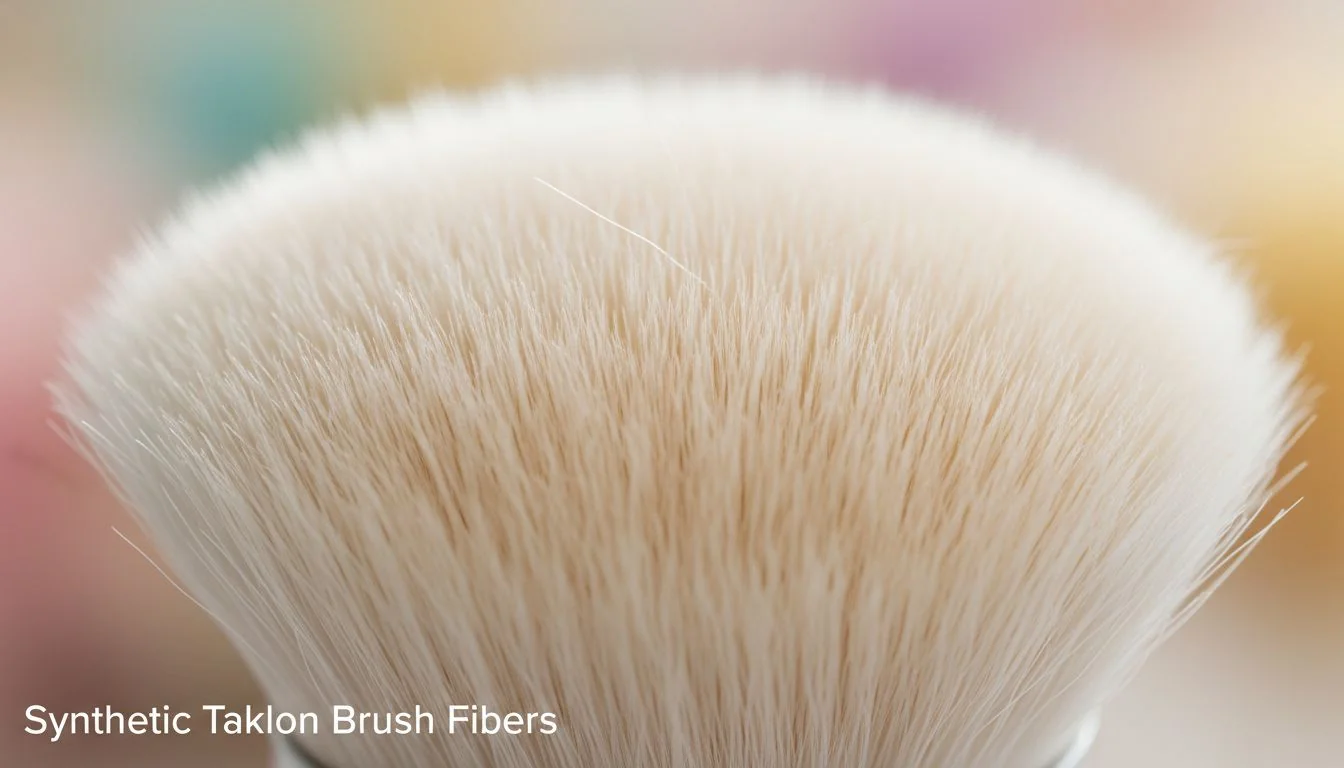
Choosing the right manufacturing partner is one of the biggest decisions you’ll make as a brand founder. It impacts your product quality, your launch timelines, and your customers’ trust. Before I share my top factory list, we need to get crystal clear on what "ethical" production really means. The terms get thrown around a lot, but the details are what separate a compliant brand from one that’s making empty promises. Let’s break it down so you can source with total confidence.
All synthetic makeup brushes are automatically vegan and cruelty-free.False
A brush can be made of synthetic fibers (vegan) but still be from a company that tests on animals (not cruelty-free). The terms are not interchangeable.
Premium brands like Hourglass successfully market high-end vegan brush sets made from taklon fibers.True
Hourglass's PETA-approved vegan brush collection proves that synthetic fibers can deliver luxury performance and are accepted by consumers at a premium price point.
Vegan vs Cruelty-Free: The Only Definitions You Need for Brushes?
Confusing "vegan" with "cruelty-free" is a common mistake. This can lead to inaccurate marketing claims and disappoint customers who trust your brand’s ethics. Here are the simple definitions you need.
A vegan brush contains no animal-derived materials. Cruelty-free means no part of the product was tested on animals. A brush can be synthetic but still not cruelty-free if testing occurred.
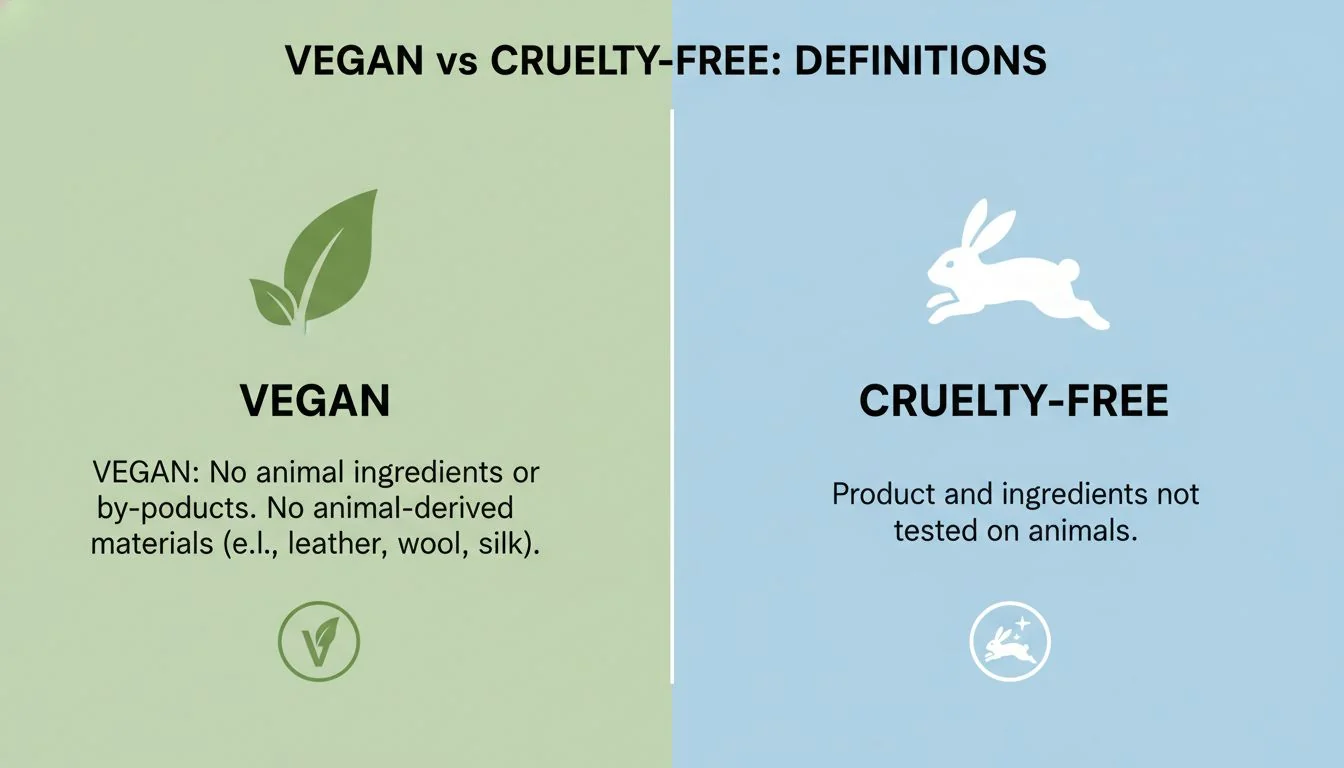
When I first started on the factory floor, these terms weren’t as important to brands. Now, they are everything. Your customers are smart, and they will check. Understanding the difference is the first step to building an honest brand.
What "Vegan" Means for a Brush
A truly vegan brush goes beyond just the bristles. Yes, it means the fibers are synthetic—not made from squirrel, goat, or badger hair. But it also means the other components are free of animal products. This includes:
- The Adhesive: The glue holding the bristles in the ferrule must be plant-based or a synthetic polymer, not an animal-based collagen glue.
- The Handle Finishes: Any lacquers, paints, or dyes used on the handle cannot contain animal-derived ingredients like shellac.
What "Cruelty-Free" Means for a Brush
Cruelty-free refers to the entire testing process. For a brush to be cruelty-free, no animal testing can occur at any stage of its development. This applies to the raw materials, the individual components (like a new fiber blend), and the final product. A manufacturer might use 100% synthetic materials but still test a new fiber for skin irritation on animals. This would make the brush vegan, but not cruelty-free. This is why third-party certifications like PETA or Leaping Bunny are so valuable—they verify the entire supply chain.
A brush handle made with FSC-certified wood is always vegan.False
FSC certification relates to sustainable forest management, not whether the paints or lacquers used on the wood handle contain animal-derived ingredients like shellac.
Modern synthetic taklon fibers can be more hygienic than natural animal hair.True
According to PETA, synthetic fibers are non-porous, making them easier to clean, less likely to trap bacteria, and better for applying liquid or cream products without absorption.
Selection Criteria: How We Ranked OEM Factories for Ethical Brushes?
Every factory website promises quality and reliability. This makes it hard to know who you can actually trust with your brand’s production. We used a strict, data-backed checklist to filter out the noise.
We ranked factories on verifiable data: OEM/ODM capabilities, legitimate certifications (ISO, FSC), fiber quality, sustainable practices, and clear business terms like MOQ, sampling speed2, and production lead times.
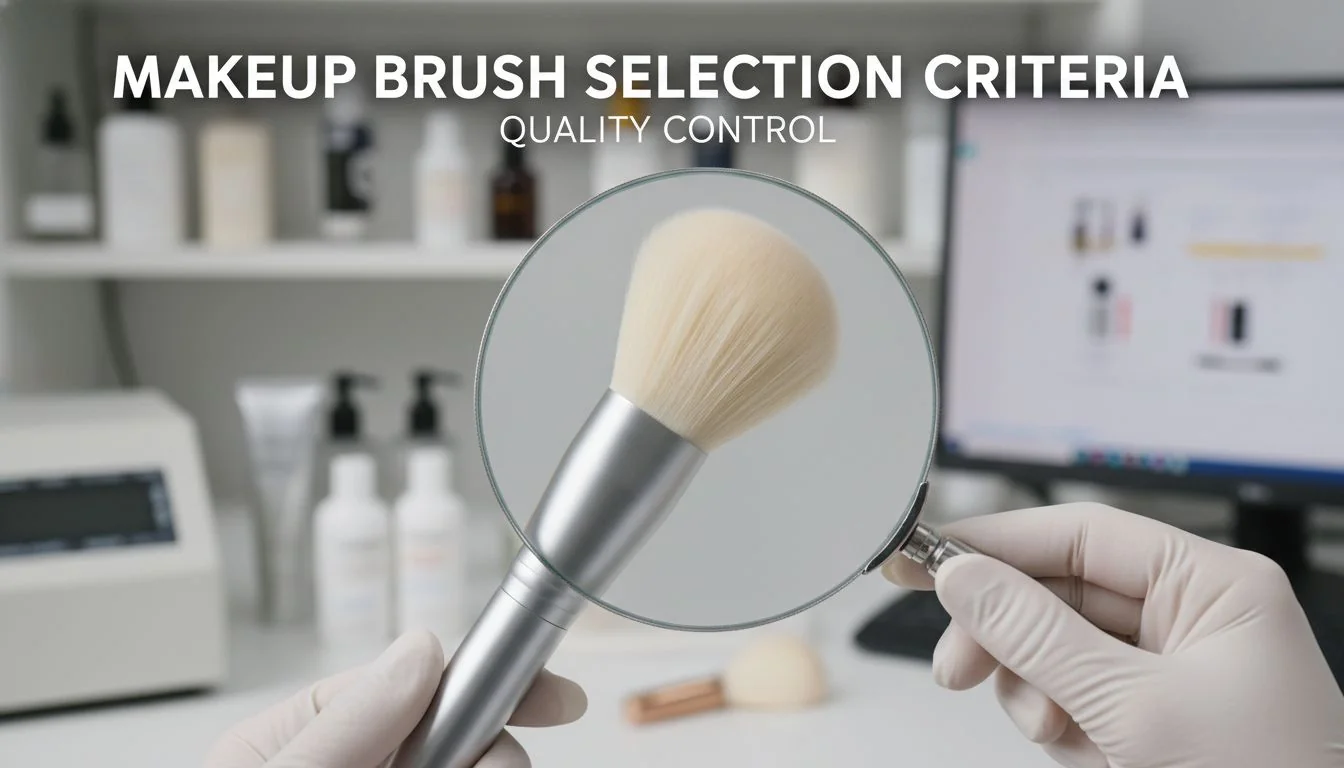
I’ve seen too many brand founders get burned by overpromises. A factory might show you a beautiful sample, but what matters is if they can replicate that quality for 5,000 pieces and deliver on time. My ranking criteria are built from years of experience vetting suppliers and are designed to protect your business.
Key Performance Indicators for a Factory Partner
When I evaluate a potential partner for a client, I look at these four areas:
- Verified Certifications: I don’t just look for logos on a website. I ask for the actual documentation for ISO 9001 (quality management), FSC (sustainable wood), and any cruelty-free declarations. A good partner will provide these without hesitation.
- Fiber & Material Specs: "High-quality synthetic fiber" is a meaningless marketing term. I ask for technical specs. What is the fiber type (e.g., Taklon, Nylon 66)? What is the tapering and crimping process? For handles, are they using recycled aluminum for ferrules? These details determine performance.
- business transparency3: This is critical for new and growing brands. I need to know the Minimum Order Quantity (MOQ), the cost and speed for samples (Sample SLA), and the mass production lead time. A factory that isn’t transparent about these numbers is a red flag.
- Sustainability Claims: Many factories claim to be "eco-friendly." I look for proof. Do they offer packaging made from recycled paper? Can they source reclaimed or recycled materials for ferrules and handles? Specific, verifiable actions are what count.
A factory's MOQ is always fixed and non-negotiable.False
While factories have standard MOQs, many are willing to negotiate, especially for new brands with high growth potential or if you are flexible on other specifications.
Sampling speed can be delayed by custom elements like new ferrule shapes or complex handle printing.True
Standard samples are fast, but creating new molds for custom-shaped ferrules or multi-pass printing on unique materials requires extra tooling and testing, adding days or weeks to the timeline.
Top 5 Manufacturers: Data-Backed Picks for 2025?
You need a shortlist of reliable factories, not an endless search on Alibaba. Wasting weeks on the wrong supplier can kill your launch schedule. Here are my top 5 vetted picks for 2025.
Based on their specialization, certifications, and market focus, the top manufacturers are Taiki (global innovation), Anisa (US design), Pennelli Faro (EU craftsmanship), Cangzhou Green Cosmetic Brush (indie-brand friendly), and EIGSHOW (private-label scale).
I’ve worked with or competed against hundreds of factories over the years. This list represents the best in their respective categories, from large-scale global operations to flexible partners perfect for a new DTC brand. Each one has a proven track record in producing high-quality vegan and cruelty-free brushes.
1. Taiki Cosmetics (Japan/USA)
Taiki is a global leader in OEM/ODM for a reason. They are an engineering powerhouse, known for their innovation in applicators and advanced synthetic fiber technology. They are a top choice for enterprise-level brands that need a partner who understands complex global compliance and can deliver at scale.
2. Anisa International (USA)
Anisa is all about design-forward, proprietary manufacturing. They operate their own facilities and have a strong commitment to clean beauty and cruelty-free ethics. They are an ideal partner for prestige brands that want unique, patented brush designs and complete transparency in their supply chain.
3. Pennelli Faro (Italy)
Based in Italy, Pennelli Faro combines artisanal craftsmanship with serious R&D. They specialize in creating advanced synthetic fibers4 that beautifully mimic the performance of natural hair. This makes them perfect for luxury and boutique European brands that prioritize vegan materials without compromising on performance.
4. Cangzhou Green Cosmetic Brush (China)
This is a fantastic OEM/ODM partner for indie and DTC brands. I know the region well, and factories like this are built for flexibility. They have the systems in place (ISO certified, FSC wood, recycled aluminum) and offer the flexible MOQs and fast customization that a growing brand needs to compete.
5. EIGSHOW (China)
EIGSHOW is a strong contender for brands focused on speed and scale, like e-commerce sellers or influencer-led lines. They are very private-label friendly, offering competitive pricing and efficient lead times on a wide range of soft synthetic brushes, allowing for rapid product launches and iterations.
All top-tier brush manufacturers are located in Japan.False
While Japan is renowned for artisanal quality (e.g., Chikuhodo), leading manufacturers with strengths in design, scale, and synthetic R&D are located globally, including in the USA, Italy, and China.
Chinese manufacturers can offer flexible MOQs and full certifications like ISO and FSC.True
Many modern Chinese factories, like Cangzhou Green Cosmetic Brush, are specifically structured to serve indie brands with lower MOQs, fast turnaround, and internationally recognized certifications.
Buyer’s Matrix: MOQ, Sampling Speed, and Certifications—Compared?
Comparing factories is tough when they all present data differently. You get stuck in email loops trying to compare apples to oranges. This simple matrix puts the most important data side-by-side.
This buyer’s matrix helps you make a fast, data-driven choice. It compares our top 5 picks on their MOQ, sampling speed, key certifications, and sustainability options, so you can see who aligns with your brand’s needs.
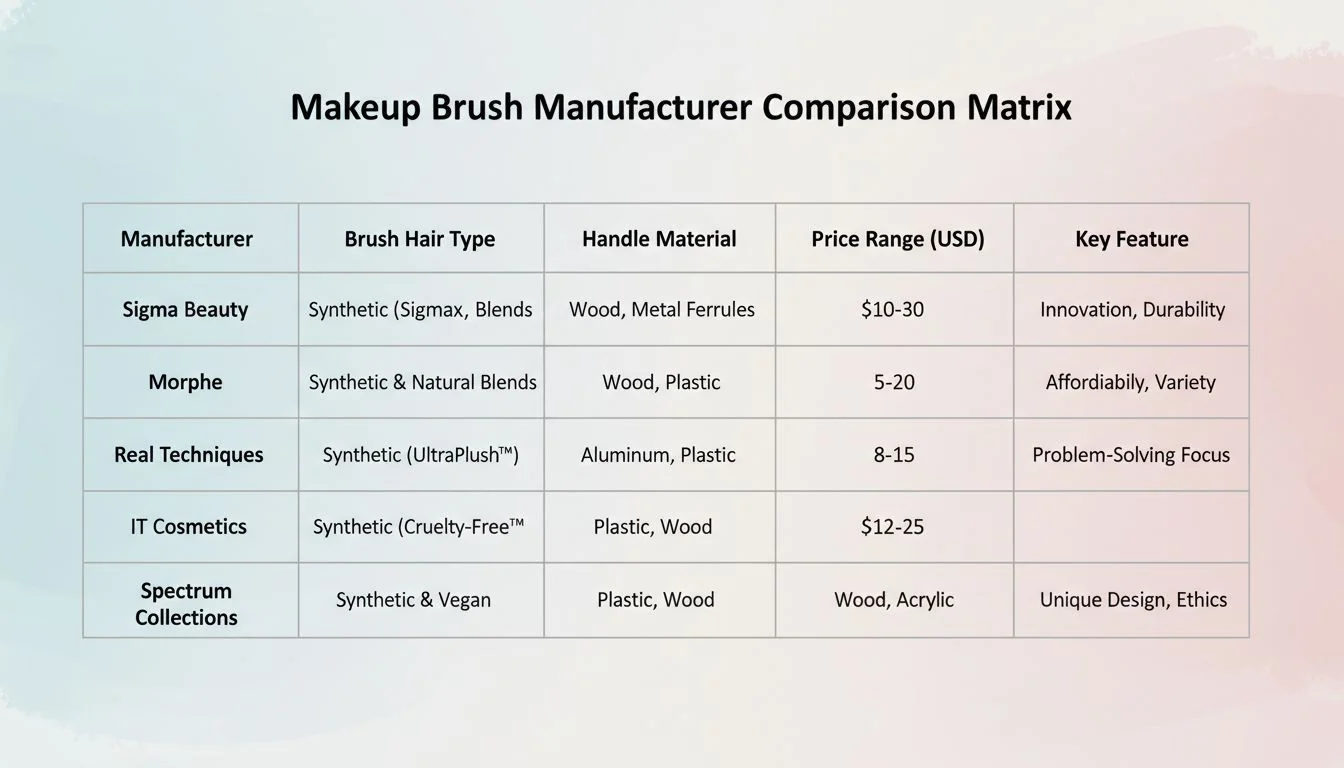
I created this table to mirror the checklist I use when sourcing for my clients. It cuts through the marketing and focuses on the operational data that determines if a factory is the right fit for your budget, timeline, and brand values. Use it to create your initial shortlist and start conversations with the right potential partners.
Manufacturer Comparison Matrix: 2025
| Manufacturer | Best For | Key Certifications | Typical MOQ | Sampling Speed | Sustainability Focus |
|---|---|---|---|---|---|
| Taiki Cosmetics | Enterprise Brands | ISO 9001, EcoVadis | High (5k-10k+ units) | 15-30 days | Advanced fiber tech, multi-region compliance |
| Anisa International | Prestige/Design-Led | PETA Certified, Owned Facilities | High (3k-5k+ units) | 20-35 days | Proprietary designs, ethical sourcing transparency |
| Pennelli Faro | Luxury/Boutique | ISO 9001, REACH Compliant | Medium (1k-3k units) | 15-25 days | Synthetic fiber R&D, Italian craftsmanship |
| Cangzhou Green Brush | Indie/DTC Brands | ISO 9001, FSC, BSCI | Low (500-1k units) | 7-15 days | Recycled aluminum, FSC wood, flexible customization |
| EIGSHOW | Private Label/E-comm | ISO 9001, BSCI | Low-Medium (500-2k units) | 10-20 days | Scalable production, rapid iteration, cost-efficiency |
From my hands-on experience, remember that sampling speed is most affected by customization. A standard brush with your logo might take 7 days, but if you need a custom-dyed fiber or a new ferrule shape, you need to add buffer time for tooling and trials. Always confirm these details upfront.
A factory with a low MOQ of 500 units is the best choice for all startup brands.False
While a low MOQ is great for cash flow, you must also consider per-unit cost, quality, and customization options. Sometimes a slightly higher MOQ at a better factory yields a superior product and lower long-term cost.
Requesting REACH-compliant materials can speed up compliance checks for brands selling in the EU.True
Providing REACH documentation from your manufacturer early in the process helps avoid customs delays and ensures your products meet the EU's strict chemical safety standards.
Conclusion
Choosing the right vegan brush manufacturer is simple with the right data. Use this guide to vet partners, compare their capabilities, and confidently source ethical, high-performance tools for your brand.
References
-
Understanding cruelty-free practices is essential for ethical consumerism in beauty. ↩
-
Understanding sampling speed can help you plan your product launch effectively. ↩
-
Discover how transparency builds trust and strengthens brand relationships. ↩
-
Learn how synthetic fibers enhance performance and sustainability in beauty tools. ↩

 English
  French
  Spanish
  Italian
  German
  Portuguese
  Russian
  Arabic
  Japanese
  Korean
  Czech
Czech  Polish
  Swedish
  Vietnamese
  Thai
Thai  Indonesian