Launching a vegan brush line feels overwhelming. The certification process is a maze, and you fear making claims you can’t prove. I’ll show you the exact, fast-track path.
To private-label and certify vegan brushes fast, you need to document your entire supply chain. This means using synthetic fibers1 like PBT/Taklon, getting supplier assurances for all non-animal components, and aligning your brand’s cruelty-free policy with programs like Leaping Bunny or PETA for any cosmetic SKUs.
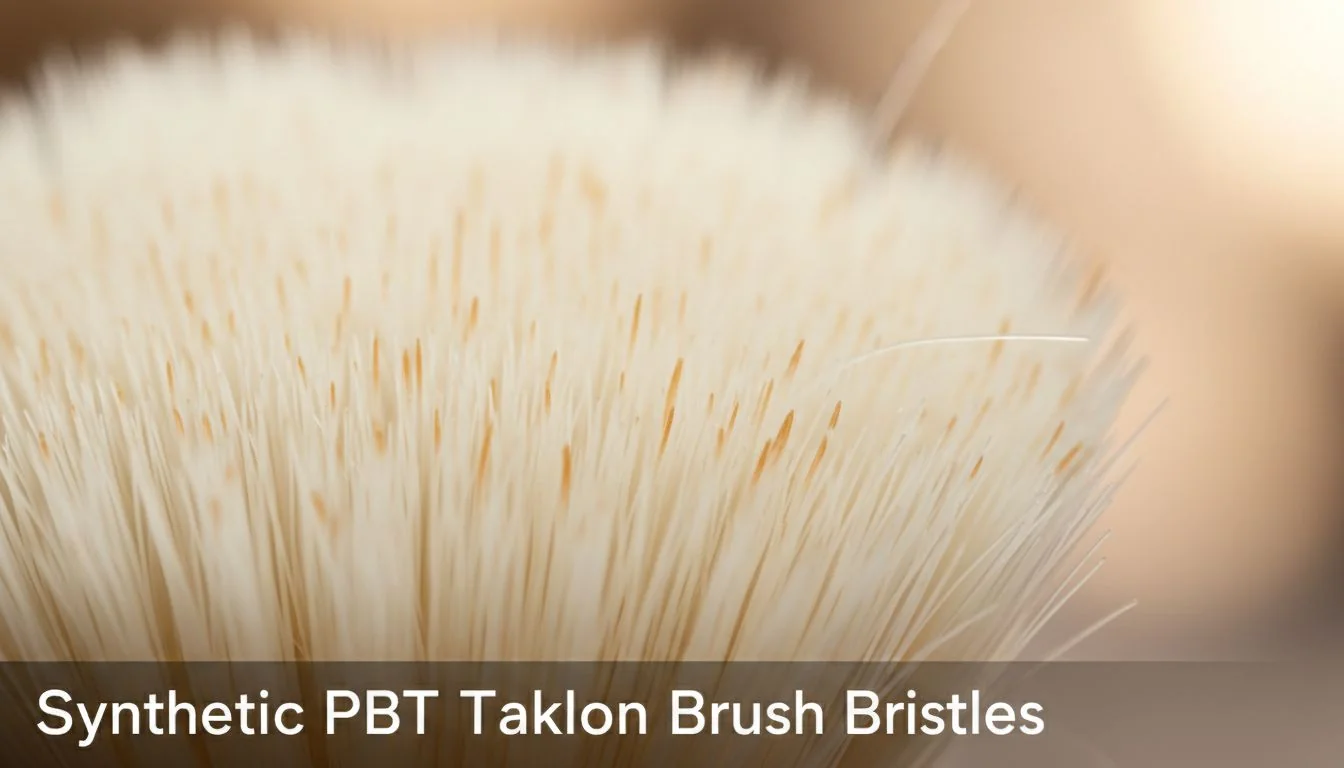
When I first started on the factory floor, I saw firsthand how many hidden animal-derived components can end up in a product. A brand founder like you, let’s call her Emily, came to me frustrated because her previous supplier couldn’t provide the simple documentation she needed to prove her brushes were vegan. She was stuck, unable to launch. This is a common story, but it doesn’t have to be yours. Getting your claims right from the start is about building trust with your customers and protecting your brand. Let’s break down exactly what you need to do.
All synthetic makeup brushes are automatically vegan and cruelty-free.Faux
A brush can have synthetic bristles but still use animal-derived glue or handle coatings. Cruelty-free also refers to the brand's overall policy on animal testing, not just the materials of one product.
Leaping Bunny and PETA's Beauty Without Bunnies are certification programs primarily for cosmetic formulas, not tools.Vrai
While they don't certify tools directly, a brand can adopt their standards for its entire line, including tools, to build a cohesive and trustworthy cruelty-free claim.
How Do You Prove a Brush Is Vegan and Cruelty‑Free?
You’re ready to claim "vegan," but are you sure your brush glue isn’t animal-based? This uncertainty can kill a launch. I’ll give you the checklist to build undeniable proof.
To prove a brush is vegan, you need a Bill of Materials (BOM) and supplier attestations confirming no animal products were used. For cruelty-free, you need a documented policy against animal testing across your supply chain, which you can align with Leaping Bunny2 or PETA standards.
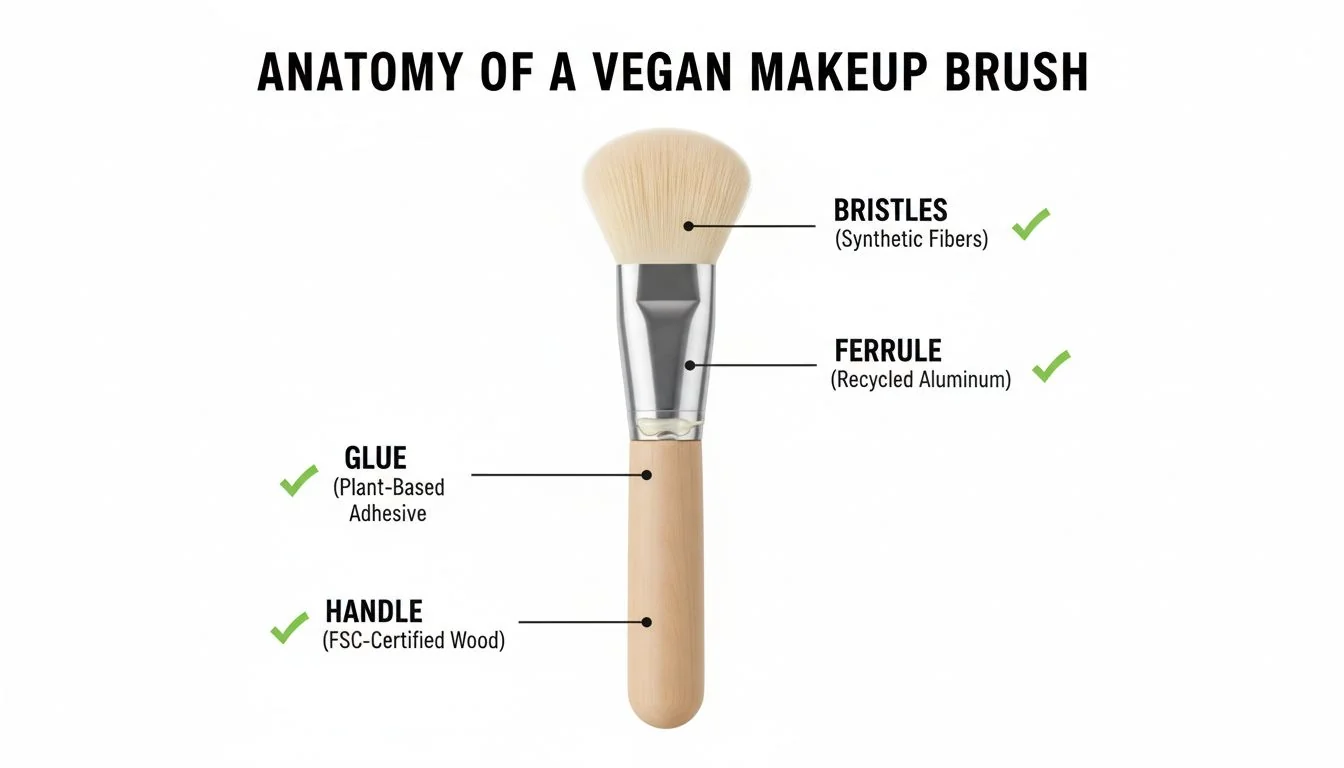
Proving your claims isn’t about just taking a supplier’s word for it; it’s about collecting the right paperwork. This is what separates professional brands from hobbyists. When you have this documentation ready, you can answer any customer or retailer question with confidence. It becomes part of your brand’s foundation. Here’s how you build it.
Materials Checklist: Bristles, Glue, Handles, Ferrules, Packaging
A truly vegan brush is vegan from tip to handle. You need to verify every single component. I always provide my clients with a full material breakdown.
| Component | What to Check For | Common Non-Vegan Ingredient |
|---|---|---|
| Bristles | Synthetic fibers (PBT, Taklon, MCF) | Animal Hair (Goat, Squirrel, etc.) |
| Glue | Plant-based or synthetic adhesive | Animal-based collagen glue |
| Handle | Wood, resin, plastic | Finishes or lacquers containing shellac |
| Ferrule | Aluminum, copper | Coatings that may be tested on animals |
| Packaging | Paper, card, inks | Glues or inks with animal derivatives |
Documentation: BOM, Supplier Assurances, and Public Policy Page
Your proof is in the paperwork. A detailed Bill of Materials (BOM) from your manufacturer is non-negotiable. You also need signed supplier assurances3 that state, component by component, that no animal products or testing were involved. Finally, publish a clear "Cruelty-Free & Vegan" policy on your website.
Labeling Claims vs. Certification Scope (Tools vs. Cosmetics)
Understand that Leaping Bunny and PETA’s "Beauty Without Bunnies" certify brands based on their cosmetic formulas. They don’t have a separate program for tools. However, you can (and should) adopt their strict standards for your brushes. You can then state that your brushes are "made with 100% vegan materials4" and that your brand is "cruelty-free," with your certified cosmetic SKUs anchoring the claim.
A 'vegan' makeup brush only refers to its bristles.Faux
A truly vegan brush must be free of animal-derived materials in all its parts, including the glue, handle finish, and even packaging inks.
You can claim your brush line is 'Leaping Bunny Certified' even if you only sell brushes.Faux
Leaping Bunny certification applies to a brand's entire portfolio of cosmetics and personal care items. A tools-only brand cannot be certified but can follow the Leaping Bunny standards and state its compliance.
Which Synthetic Fibers Outperform Animal Hair for Powder vs Liquid?
You want brushes that perform beautifully, but the world of synthetic fibers is confusing. Choosing the wrong one means poor makeup application and unhappy customers. Let’s decode the science.
For powders, choose tapered PBT/Taklon fibers for excellent pickup. For liquids and creams, straight or slightly tapered fibers work best for a smooth laydown. Premium Micro Crystal Fibers (MCF) can be engineered to mimic animal hair for specific powder (MCF-P) or liquid (MCF-L) formulas.
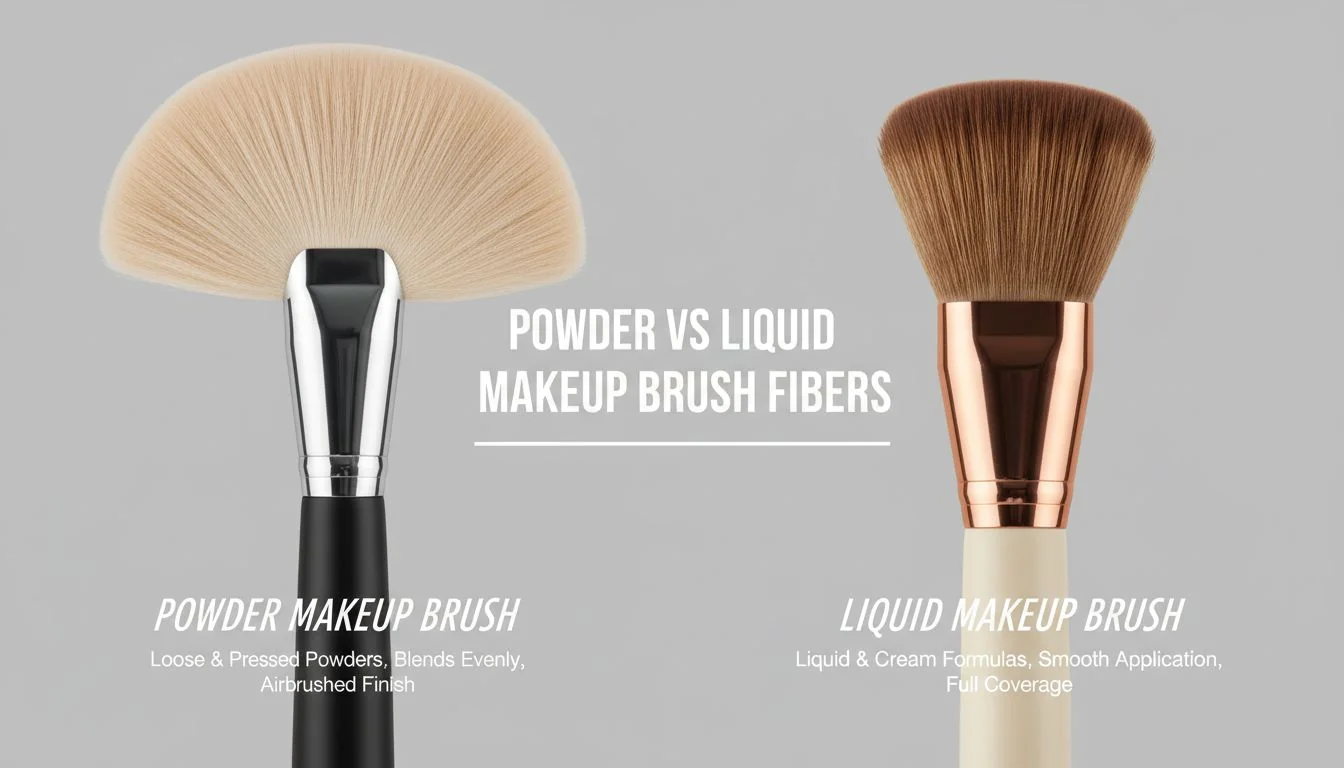
When I help a brand founder like Emily develop a new brush, the first thing we discuss is performance. The "feel" of the brush is everything. Natural animal hair has microscopic scales that grab powder, but they also break easily and are hard to clean. Modern synthetics have solved this. We can now control the fiber’s texture, diameter, and tip to create a brush that not only matches but exceeds animal hair performance, all while being more hygienic and durable.
Diameter and Taper for Softness and Pickup
The secret to a soft, effective brush lies in the fiber specifications.
- Diameter: Measured in microns, this determines softness. A finer diameter (e.g., 0.05mm) feels much softer and more luxurious than a thicker one (e.g., 0.10mm). This is a key driver of cost—finer fibers are more expensive but deliver a premium feel.
- Taper: Tapered tips on a fiber create more surface area, which is perfect for picking up and diffusing powder products. For liquid or cream foundations, a less tapered or straight fiber provides a smoother, streak-free application.
Antimicrobial Options and What Truly Passes Testing
Many suppliers offer "antimicrobial" fibers. This is usually a treatment applied to the bristles to inhibit bacterial growth. If you want to make this claim, you must ask for the test reports. A legitimate manufacturer will have documentation (like an SGS test report) to prove the antimicrobial efficacy. Without it, it’s just a marketing buzzword. I always insist on seeing the paperwork before we proceed, as this protects my clients’ integrity.
All synthetic fibers perform the same way.Faux
Fiber performance depends heavily on the material (PBT vs. Nylon), diameter (softness), and tip shape (tapered for powder, straight for liquid).
Premium synthetic fibers can be engineered for specific tasks, like applying powder or liquid makeup.Vrai
Advanced fibers like MCF (Micro Crystal Fiber) are designed with specific surface textures and structures to optimize pickup and release for either powder (MCF-P) or liquid (MCF-L) formulas.
What’s the Fastest Path to Leaping Bunny or PETA Approval for Brush Brands?
You want that trusted cruelty-free logo on your packaging, but the application process seems long and complicated. Delays mean lost sales. I’ll show you the most direct route.
The fastest path is to prepare your documentation before you apply. For Leaping Bunny or PETA, this means enforcing a fixed cut-off date for animal testing with all suppliers and having their signed declarations ready. This preparation dramatically shortens the review period.
I’ve guided many brands through this process. The ones who move fastest are the ones who are the most organized. The certification bodies aren’t trying to make it difficult; they are trying to ensure integrity. If you can hand them a complete package of evidence showing your entire supply chain is compliant, the review is often quick and smooth. Think of it as doing your homework before the test.
Supplier Monitoring, Cut-Off Dates, and Annual Recommitment
The core of any cruelty-free certification is your supply chain management.
- Fixed Cut-Off Date (FCOD): This is a date you choose after which your brand and its suppliers will not conduct, commission, or be a party to any animal testing. Leaping Bunny requires this.
- Supplier Monitoring System: You must prove you are actively monitoring your suppliers to ensure they adhere to your FCOD. This means getting annual written declarations from them.
- Annual Recommitment: Both programs require you to recommit to the standards every year to maintain your certification.
Fees, Category Fit, and How Tools Fit Within a Certified Brand Ecosystem
It’s crucial to apply to the right program. For cosmetics, you should apply to PETA’s Beauty Without Bunnies, not their "PETA-Approved Vegan" program, which is for apparel. Leaping Bunny is another globally recognized gold standard.
- Fees: PETA’s Beauty Without Bunnies5 program is free to join, but using the logo requires a one-time licensing fee. Leaping Bunny’s fees are on a sliding scale based on your company’s gross annual sales.
- How Tools Fit: When your brand is certified, that trust extends to all your products. Even though the brush itself isn’t formally certified, it’s sold by a certified cruelty-free brand. You support this by having the vegan material documentation for your tools ready, creating a complete, trustworthy ecosystem. This is where my "audit once, reuse often" principle comes in—get one full supplier assurance package, and you can use it for all your brush SKUs.
PETA's 'Beauty Without Bunnies' and 'PETA-Approved Vegan' are the same program.Faux
'Beauty Without Bunnies' is for cosmetics and personal care brands that are animal-test-free. 'PETA-Approved Vegan' is for apparel, accessories, and home goods made without animal materials.
Getting cruelty-free certification requires a one-time check of your suppliers.Faux
Both Leaping Bunny and PETA require ongoing supplier monitoring and annual recommitment to ensure the brand remains compliant with their animal-testing policies.
Can You Sell “Cruelty‑Free” in China? A 2025 Reality Check for Brush Lines
You’ve heard the horror stories: selling in China requires animal testing. But the rules are changing, and you don’t want to miss a massive market. Let’s clear up the confusion.
Yes, you can sell in China without animal testing under specific conditions. As of 2021, "ordinary" imported cosmetics can bypass pre-market animal testing. Makeup brushes, as non-cosmetic tools, are not subject to these animal testing requirements in the first place.
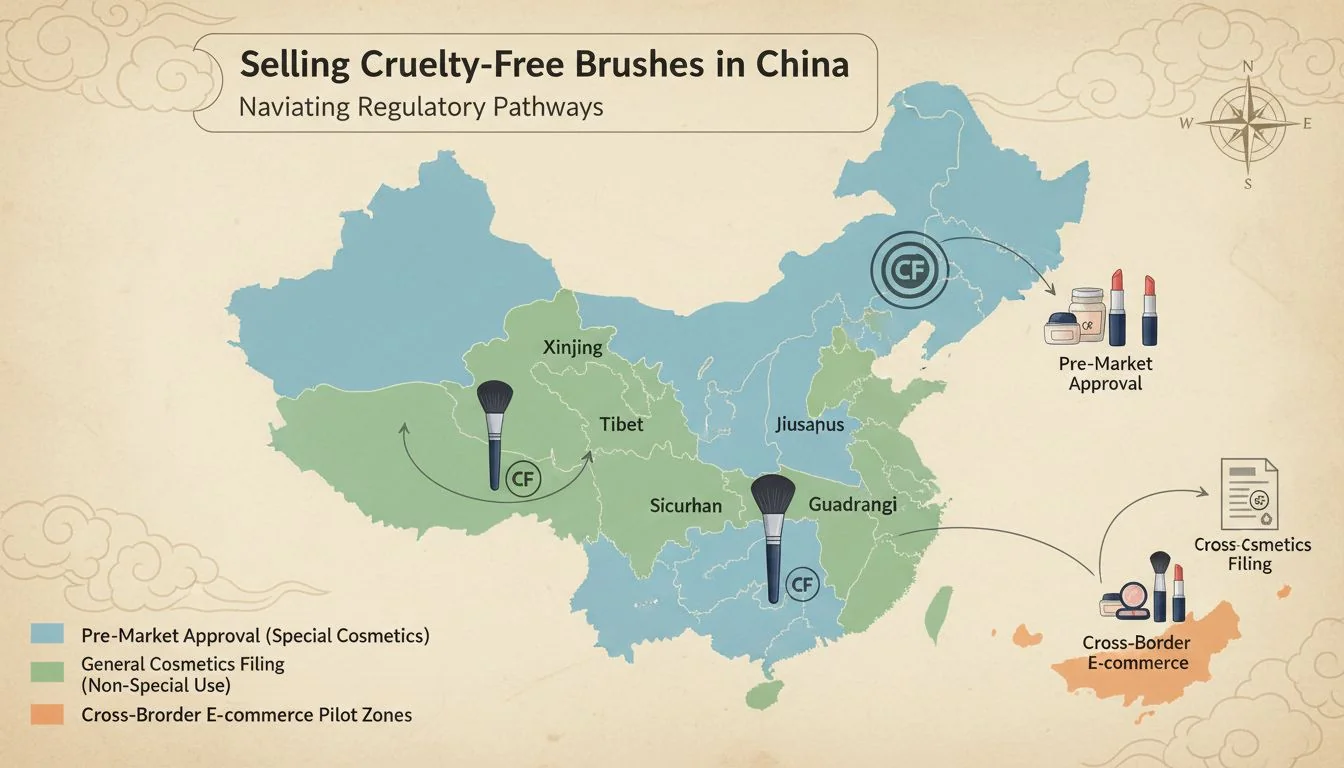
As a manufacturer based in China, this is a question I get every single day. The landscape here is evolving fast. While there are still risks and complexities, especially for certain cosmetic types, the door is more open than ever for cruelty-free brands. The key is to understand the distinction between a cosmetic formula and a cosmetic tool. Your brush line has a much simpler path to market.
Claims Language for Packaging and DTC/Marketplaces
How you word your claims matters. While your brushes aren’t subject to the cosmetic testing rules, your brand messaging must be consistent and careful. If you sell through cross-border e-commerce (CBEC) directly to Chinese consumers, you have more freedom with marketing language. If you import for general trade to sell in physical stores, your claims on the packaging will be scrutinized by local authorities. Focus on claims like "Made with synthetic fibers" and "100% vegan materials."
China 2025: Ordinary Cosmetics Exemptions and GMP Proof
For a cosmetic product to qualify for the animal testing exemption, you must provide:
- A Good Manufacturing Practices (GMP) certificate issued by the regulatory authority in your country of origin.
- A complete Product Safety Assessment6 dossier.
This exemption does not apply to "special-use" cosmetics (like sunscreen, hair dye) or products using new, unapproved ingredients.
For your brush line, this is great news. Since brushes are not cosmetics, they don’t fall under this rule. However, if you plan to sell your brushes alongside your cosmetic line in China, you must ensure your cosmetic products meet these exemption requirements to maintain a consistent cruelty-free brand identity.
All beauty products sold in physical stores in China must be tested on animals.Faux
Since 2021, 'ordinary' imported cosmetics (like lipstick, foundation) can be exempt from pre-market animal testing if they provide a GMP certificate and a full safety assessment.
Makeup brushes are subject to the same animal testing rules as cosmetics in China.Faux
Makeup brushes are classified as cosmetic tools, not cosmetic formulas, and are therefore not subject to the mandatory pre-market animal testing required for certain cosmetics.
Conclusion
Launching certified vegan and cruelty-free brushes is about preparation and partnership. With the right documentation, fiber knowledge, and a clear strategy for global markets, you can build a trusted brand, fast.
Références
-
Explore the advantages of synthetic fibers in makeup brushes for performance and ethical considerations. ↩
-
Understand the steps to achieve Leaping Bunny certification for cruelty-free products. ↩
-
Learn the importance of supplier assurances in maintaining vegan and cruelty-free claims. ↩
-
Discover the materials that qualify as vegan and how they impact product integrity. ↩
-
Discover how to align your brand with PETA’s standards for cruelty-free cosmetics. ↩
-
Learn about the importance of safety assessments in launching cosmetic products. ↩

 English
  French
  Spanish
  Italian
  German
  Portuguese
  Russian
  Arabic
  Japanese
  Korean
  Czech
Czech  Polish
  Swedish
  Vietnamese
  Thai
Thai  Indonesian