You want to create a luxury product, but translating a feeling like "quiet luxury1" into a physical design is tough. This gap can lead to products that feel generic or miss the mark entirely.
Design luxury makeup brushes by combining quiet, understated aesthetics with ergonomic geometry2 like an oval grip and a 10–15° head angle. Use high-performance vegan fibers and a repairable, refillable construction. This approach prioritizes usefulness and craft, creating a product that feels truly premium.
It’s one thing to admire a brand like Hermès. It’s another thing to build its principles into your own products. I’ve spent years in the mold and manufacturing industry, and the biggest lesson I’ve learned is that true quality comes from obsessing over the details that the user can feel. It’s about turning a philosophy into a set of clear specifications that your team can actually build. Let’s break down exactly how to do that for a luxury makeup brush, moving from abstract ideas to a concrete design playbook.
The global makeup brush market was valued at approximately USD 7.0 billion in 2024.True
Industry reports confirm this valuation, projecting growth to USD 12.9 billion by 2034, indicating a strong market for premium tools.
All luxury products rely on expensive, rare materials to justify their price.False
Quiet luxury emphasizes craftsmanship, timeless design, and user experience over just material cost. A well-designed tool made from sustainable, high-performance materials can be more luxurious than one made from a rare but impractical material.
How Can Quiet Luxury Become Tangible in a Makeup Brush?
Your designs look premium, but they feel generic in the hand. If users can’t feel the "luxury" you’re promising, they won’t see the value or pay a premium price for it.
Focus on the details of craft and the sensory experience. True luxury is communicated through clean lines, muted color palettes, and perfect balance. The goal is a "useful object first," where every curve and texture improves control and feels right in the hand.
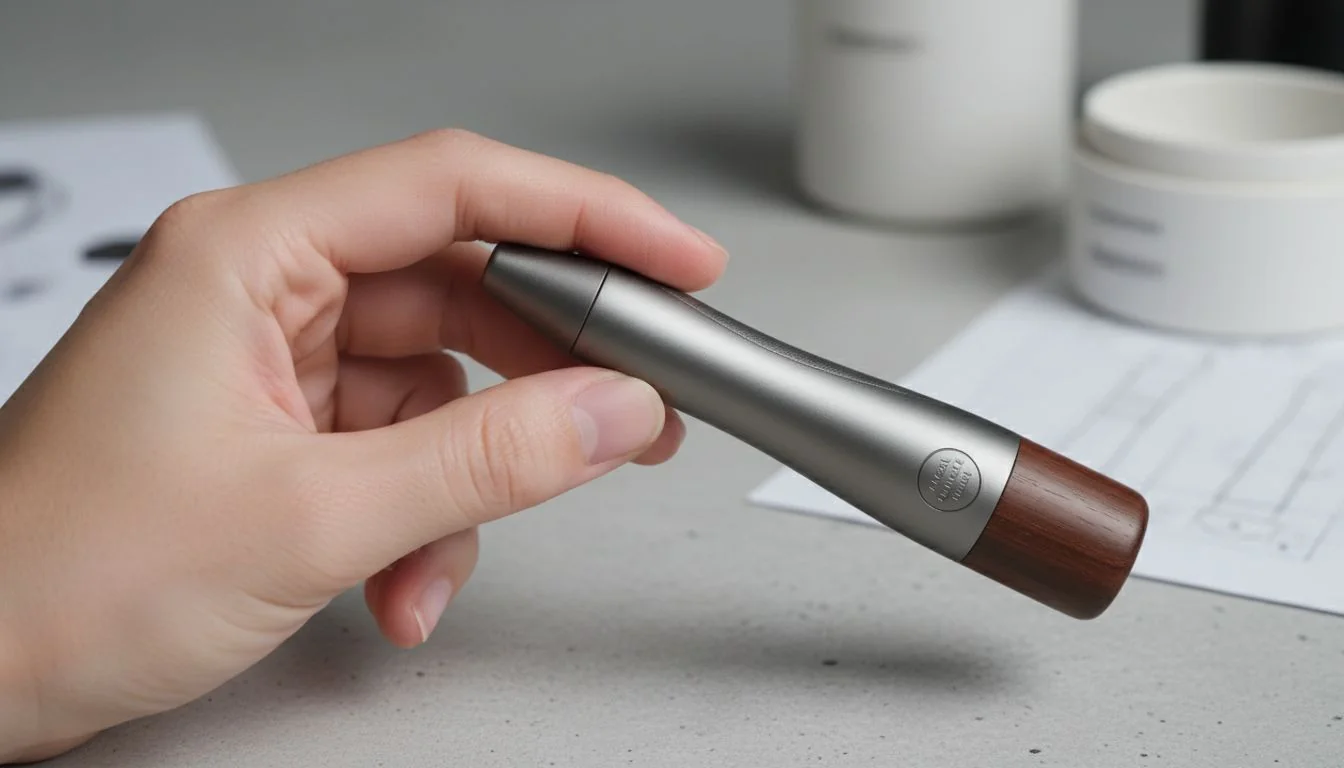
I remember working on a set of high-end electronic tools. The client kept talking about a "premium feel." We spent weeks just on the handle. We realized "premium" wasn’t about adding gold trim. It was about the weight distribution. We moved the center of mass to sit right where the user would pinch the tool. That small change made it feel incredibly precise and comfortable. This is the essence of quiet luxury. For a makeup brush, this means editing the design down to its essentials. You don’t need loud logos or flashy colors. You need a form that follows its function perfectly. The luxury comes from the human touch, the restraint in the design, and the feeling of quality every time someone uses it.
Here’s how you can translate that into specs:
| Design Element | Target Specification | Manufacturing & Molding Note |
|---|---|---|
| Silhouette | Clean, continuous lines with no sharp edges. | Use 5-axis CNC machining for the handle master pattern to ensure smooth transitions. The mold must have a high-polish finish. |
| Color Palette | Muted, natural tones (e.g., matte black, warm walnut). | Use masterbatch coloring for plastics or high-quality lacquers for wood. Test for color consistency across batches. |
| Weight & Balance | Center of mass located at the pinch point, just above the ferrule. | Use metal inserts or adjust handle wall thickness in the mold design to control the balance point precisely. |
| Texture & Finish | Satin or matte finish, with micro-texture for grip. | Abrasive blasting or chemical etching on the mold surface can create a consistent, non-slip texture without a sticky feel. |
The makeup brush segment of the beauty tools market was worth around $4.3 billion in 2024.True
Market analysis shows that brushes are a significant portion of the overall tools market, supporting investment in specialized, high-end brush design.
How Can Smart Geometry Reduce Wrist Strain in Brush Design?
Standard, round brush handles often force users into awkward wrist positions, causing fatigue and imprecise application. This creates a poor user experience3, undermining the luxury feel of the product.
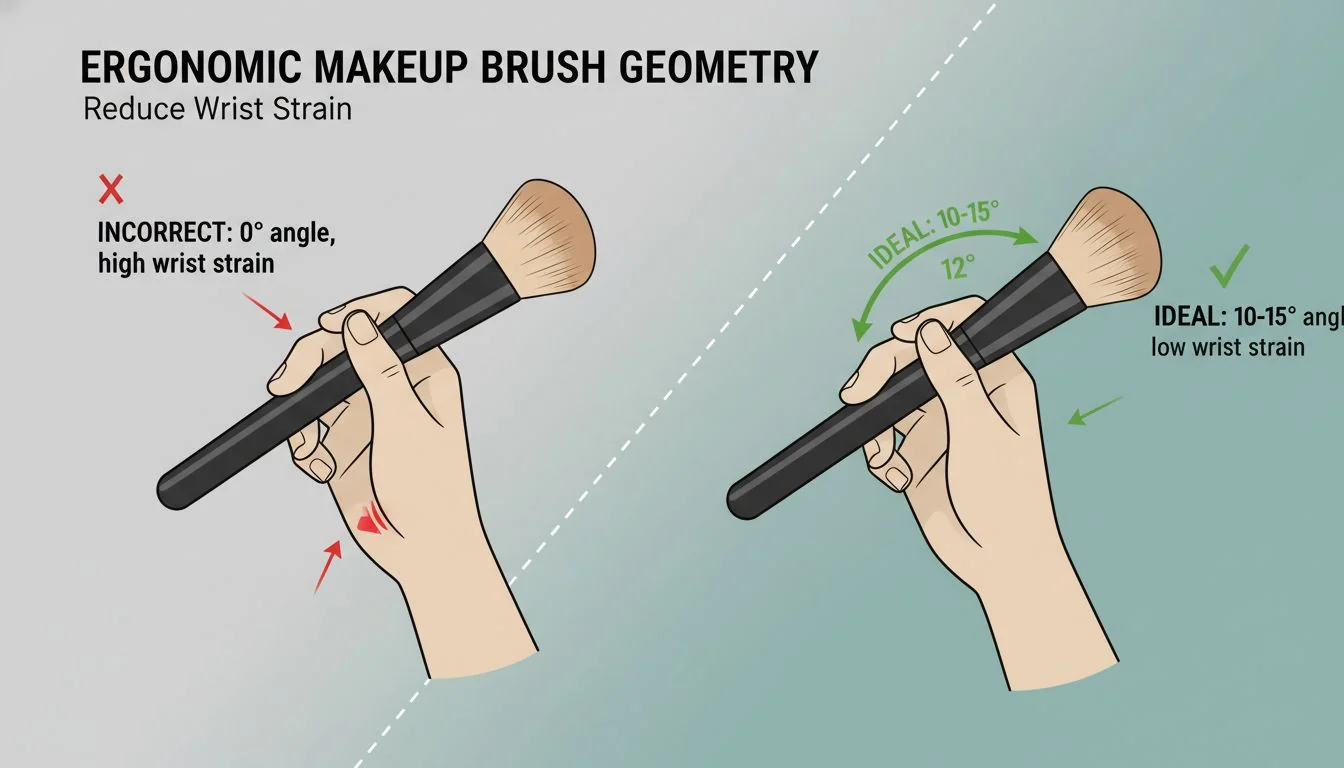
Incorporate specific ergonomic geometry into the handle. A slightly oval cross-section, a subtle flare for palm contact, and a 10–15° head tilt can significantly reduce wrist strain and improve control during use.
This reminds me of a project for a medical device. The surgeons using it had to perform repetitive motions for hours. We couldn’t just give them a simple cylinder to hold. We used anthropometric data—that’s data on human body measurements—to design a handle that fit a wide range of hand sizes. We 3D-printed dozens of variations to test. The final design had a specific oval shape that prevented the tool from rotating unexpectedly and a slight curve that reduced muscle strain. We validated it with pressure mapping to see where the stress points were. You can apply the same scientific rigor to a makeup brush. It’s not just about looking elegant; it’s about making the tool an extension of the hand. This is where design becomes truly intelligent.
Here are the key geometric targets to consider for your mold design:
| Ergonomic Feature | Specification | Validation Method |
|---|---|---|
| Handle Cross-Section | Slightly oval shape, 8–12 mm on the minor axis. | Prevents unwanted rotation in the hand. Test with user groups for comfort and control. |
| Grip Zone | Micro-texture bands or a subtle flare near the mid-handle. | Diffuses pressure during buffing motions. Validate with pressure mapping to ensure no hot spots. |
| Head-to-Handle Angle | 10–15° tilt for buffing and blending brushes. | Reduces wrist flexion (ulnar/radial deviation). Analyze with RULA (Rapid Upper Limb Assessment) testing. |
| Overall Balance | Center of mass near the ferrule. | Ensures the brush feels nimble, not bottom-heavy. Test with physical prototypes across different hand sizes. |
A 10–15° tilt in a brush head can reduce wrist flexion during application.True
Ergonomic studies show that angling the tool head relative to the handle can help maintain a more neutral wrist posture, reducing strain in repetitive tasks.
What Materials Create a Truly Luxurious and Sustainable Brush?
Choosing materials can be a huge challenge. You might pick something that looks good but feels cheap, or you might use a traditional "luxury" material that is unsustainable and alienates modern consumers.
The solution is to use materials of meaning. Combine high-performance, cruelty-free vegan fibers with responsibly sourced woods and durable, honest metals. This approach delivers on luxury, ethics, and performance all at once.
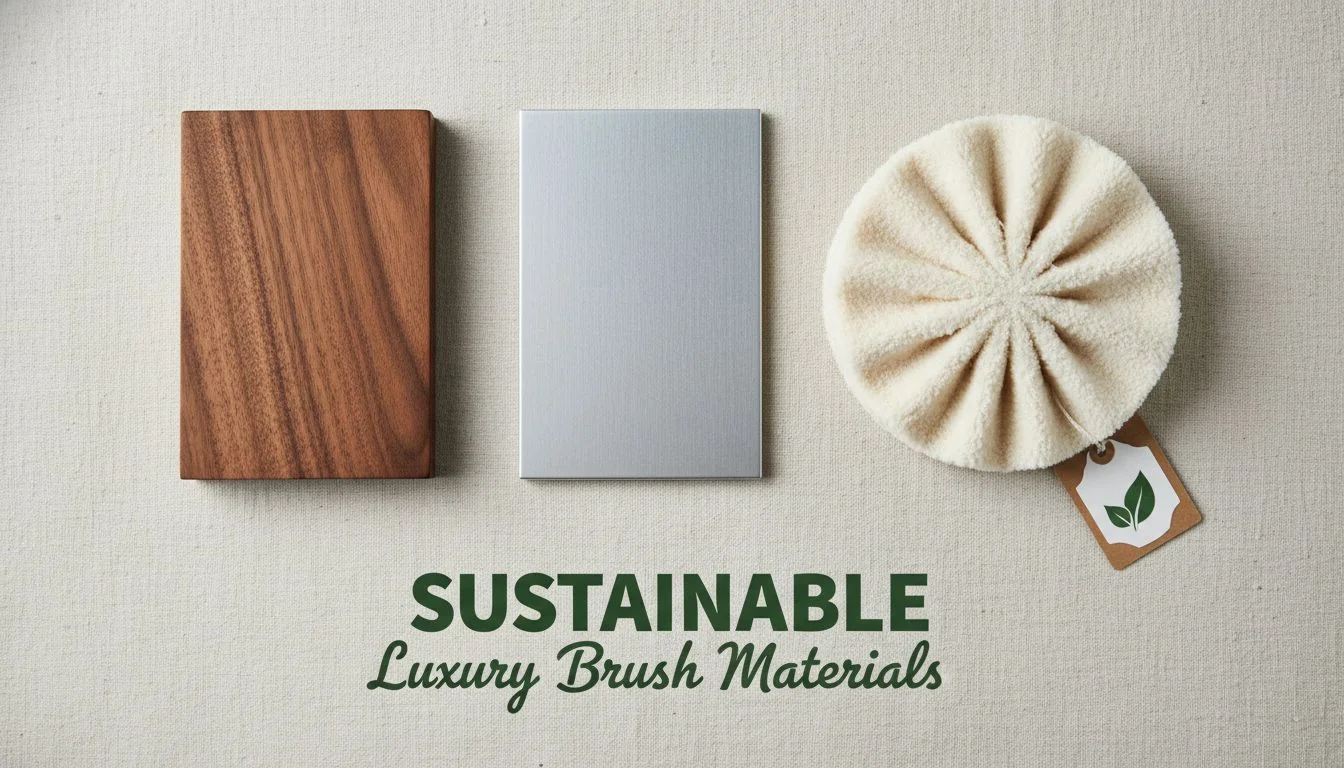
In my early days at a mold factory, we often used whatever plastic was cheapest. But as I started my own company, I saw how material choice defines a product. For one client, we switched from a standard ABS plastic to a recycled composite with a wood filler. It cost a bit more, but the final product had a warmth and texture that ABS could never match. It told a story of sustainability and quality. For luxury brushes, the story is crucial. You’re not just selling a tool; you’re selling an experience. Using FSC-certified walnut tells a story of responsibility. Using advanced vegan fibers that perform as well as natural hair tells a story of innovation and ethics. These choices matter.
Here’s a palette of materials to specify for a premium, responsible brush line:
| Component | Luxury & Sustainable Choice | Performance & Quality Metrics |
|---|---|---|
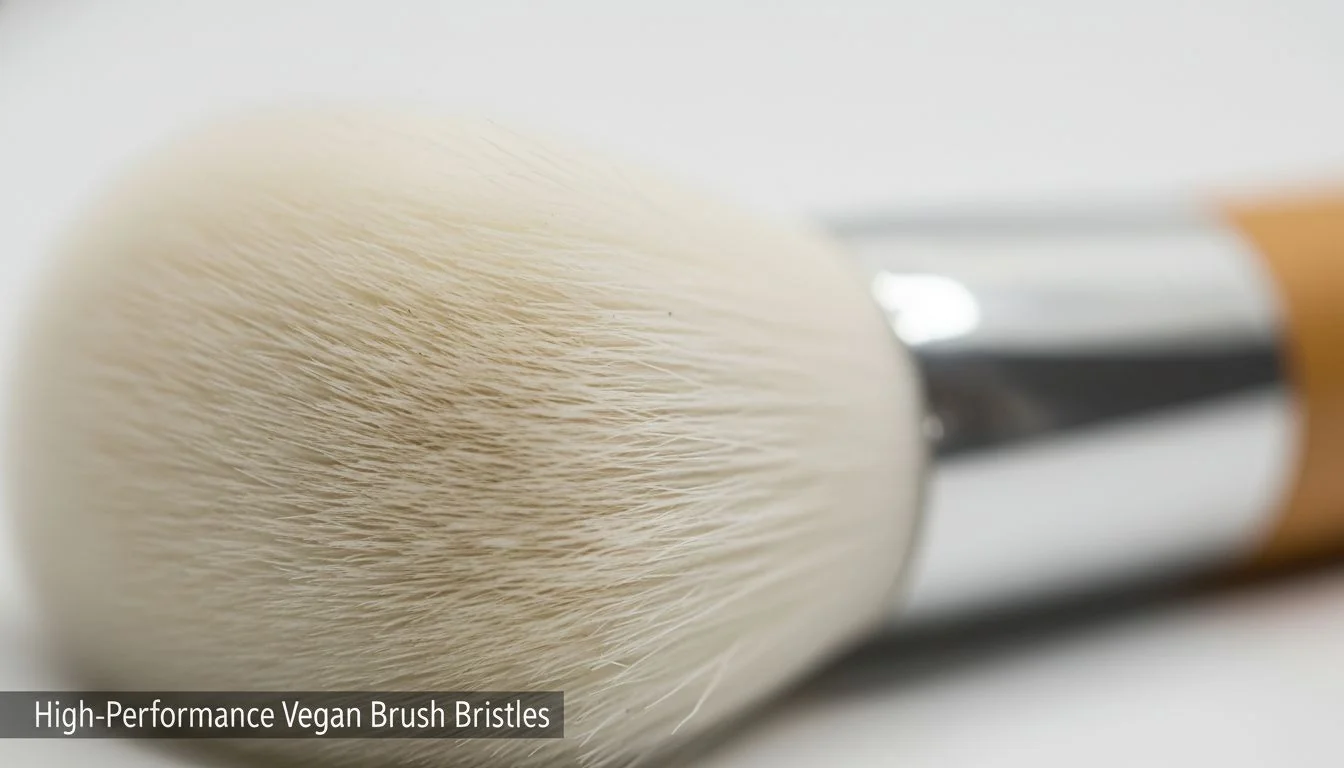
| Bristles | High-performance synthetic fibers with tapered tips and variable diameters. | Specify fiber bend-recovery and softness (indentation force). Mimics natural hair cuticle for superior pickup and glide. Cruelty-free. |
| Handle | FSC-certified hardwoods (e.g., walnut, maple) or recycled composites. | Low-gloss, tactile finish. Ensure traceability of wood source. The material should feel solid and warm to the touch. |
| Ferrule | Brushed aluminum or stainless steel. | Design with a serviceable crimp for repairability. Avoid chrome plating; a brushed finish hides fingerprints and signals understated quality. |
Modern synthetic bristles can be engineered to be as soft and effective as natural animal hair.True
Advances in polymer science allow for the creation of synthetic fibers with tapered tips and textured surfaces that mimic the cuticle of natural hair, offering excellent product pickup and application with the benefit of being cruelty-free and more durable.
How Can You Design for a Sustainable Ritual, Not Just a Disposable Product?
Your packaging might be beautiful, but it’s often incredibly wasteful. With consumers rejecting single-use products and 120 billion units of beauty packaging produced annually, a disposable luxury model is no longer viable.
Design a complete, sustainable system. Use refillable brush heads4, repairable ferrules, and responsible packaging. This approach reduces waste, elevates the user experience, and transforms the product into a cherished, long-lasting heirloom.
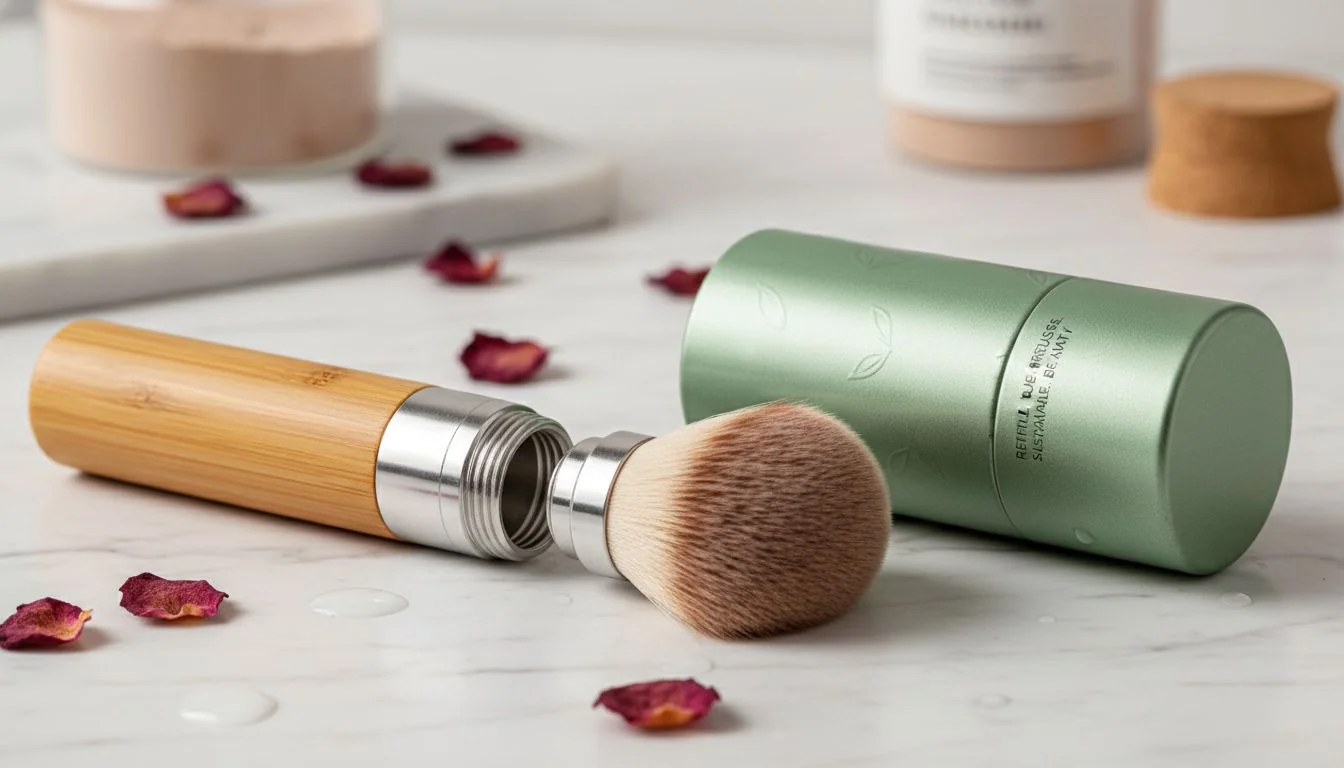
The "throwaway" culture in manufacturing has always bothered me. We build complex molds to create a part that might be used for a few months and then discarded. The future of quality manufacturing is in longevity. Think about it: the handle is the part the user connects with. It gains a patina over time. Why throw it away? By designing a system with a replaceable head, you preserve the most valuable part of the brush. You can use a simple threaded or a more secure bayonet coupler. This isn’t just about being "green." It’s a better business model. It builds loyalty and turns a simple purchase into a long-term relationship with your brand. It respects the customer and the resources used to make the product.
Here’s how to build sustainability into the entire product lifecycle:
| System Component | Design Strategy | Key Sustainability Metric |
|---|---|---|
| Brush Head | Refillable system with threaded or bayonet couplers. | Replacing only the head can reduce total product waste by over 60% compared to a full brush replacement. |
| Ferrule & Handle | Design for repair. Use serviceable crimps on ferrules. Offer service kits for re-seating. | Increases product lifespan from 1-2 years to 10+ years, turning the handle into an "heirloom" piece. |
| Packaging | Reusable cases (e.g., felt or cork). Use paperboard and glass. Minimize plastic. | Target >90% recycled content in secondary packaging. Publish lifecycle benefits to the consumer. |
| Digital Experience | Integrate NFC/QR codes into the packaging or handle. | Eliminates paper manuals. Links to care guides, tutorials, and provenance, enhancing the luxury experience. |
The beauty industry produces over 120 billion units of packaging annually, and up to 95% of it is not recycled.True
Environmental reports and industry analyses highlight the significant waste problem in cosmetics, driving consumer demand for refillable, reusable, and sustainable packaging solutions.
Conclusion
By blending Hermès-inspired craft with ergonomic data and sustainable systems, you can create luxury makeup brushes that are not just beautiful, but truly useful, responsible, and valuable for years.
References
-
Explore how quiet luxury influences design principles and consumer perceptions in high-end products. ↩
-
Learn about the importance of ergonomic geometry in enhancing user experience and comfort. ↩
-
Investigate the relationship between design choices and user experience in product development. ↩
-
Understand the advantages of refillable brush heads in reducing waste and promoting sustainability. ↩

 English
  French
  Spanish
  Italian
  German
  Portuguese
  Russian
  Arabic
  Japanese
  Korean
  Czech
Czech  Polish
  Swedish
  Vietnamese
  Thai
Thai  Indonesian