Dreaming of your own makeup brand but have no cash? You’re stuck thinking big inventory costs are required. I’ll show you how to launch with zero capital.
To start a makeup business with no money, choose no-inventory models like dropshipping1 or pre-orders. Define a narrow niche, build a waitlist with micro-influencers, and source from documented suppliers. Follow MoCRA basics and prove your margins before you scale.
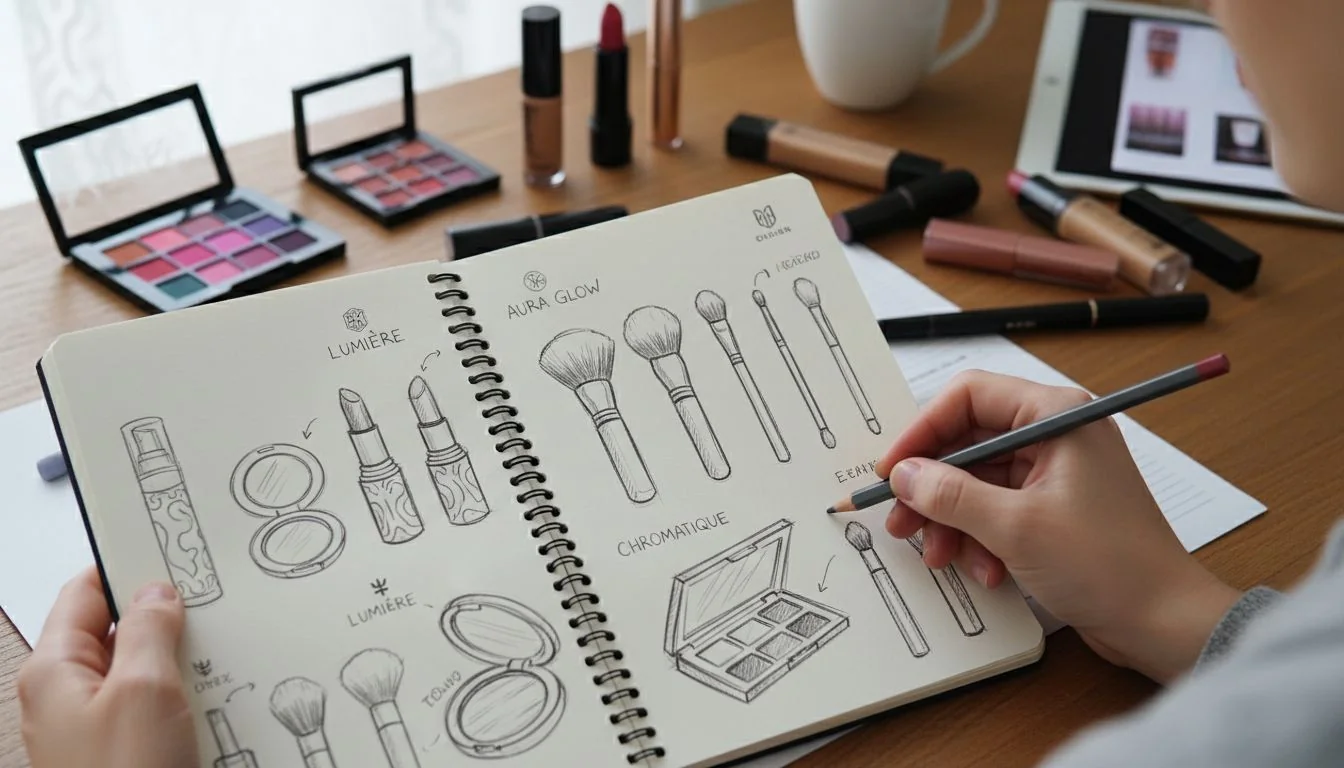
It sounds impossible, but I’ve seen hundreds of brand founders do it. When I started my journey on the factory floor, I learned that success isn’t about having a huge bank account; it’s about having the right strategy. You need to be smart, scrappy, and focus on validation before you even think about a big production run. Let’s break down the exact steps I share with my clients to help them build a brand from scratch.
The global cosmetics market is projected to reach USD 556.21 billion by 2032.True
According to Fortune Business Insights, the market was valued at USD 335.95 billion in 2024 and is expected to grow at a CAGR of 6.64% from 2024 to 2032.
The FDA's MoCRA (2022) requires pre-market approval for all new cosmetic products.False
MoCRA does not require pre-market approval for most cosmetics, but it does mandate facility registration, product listing, safety substantiation, and adverse event reporting.
Which Zero-Capital Models Work for a Makeup Business Now?
Worried about buying inventory you can’t sell? This fear paralyzes many founders. Use these models to sell products before you ever have to buy them.
Focus on dropshipping with private-label suppliers, running pre-order campaigns to fund your first run, or using service income (like MUA gigs) to pay for marketing. These methods eliminate upfront inventory risk while you test your ideas.
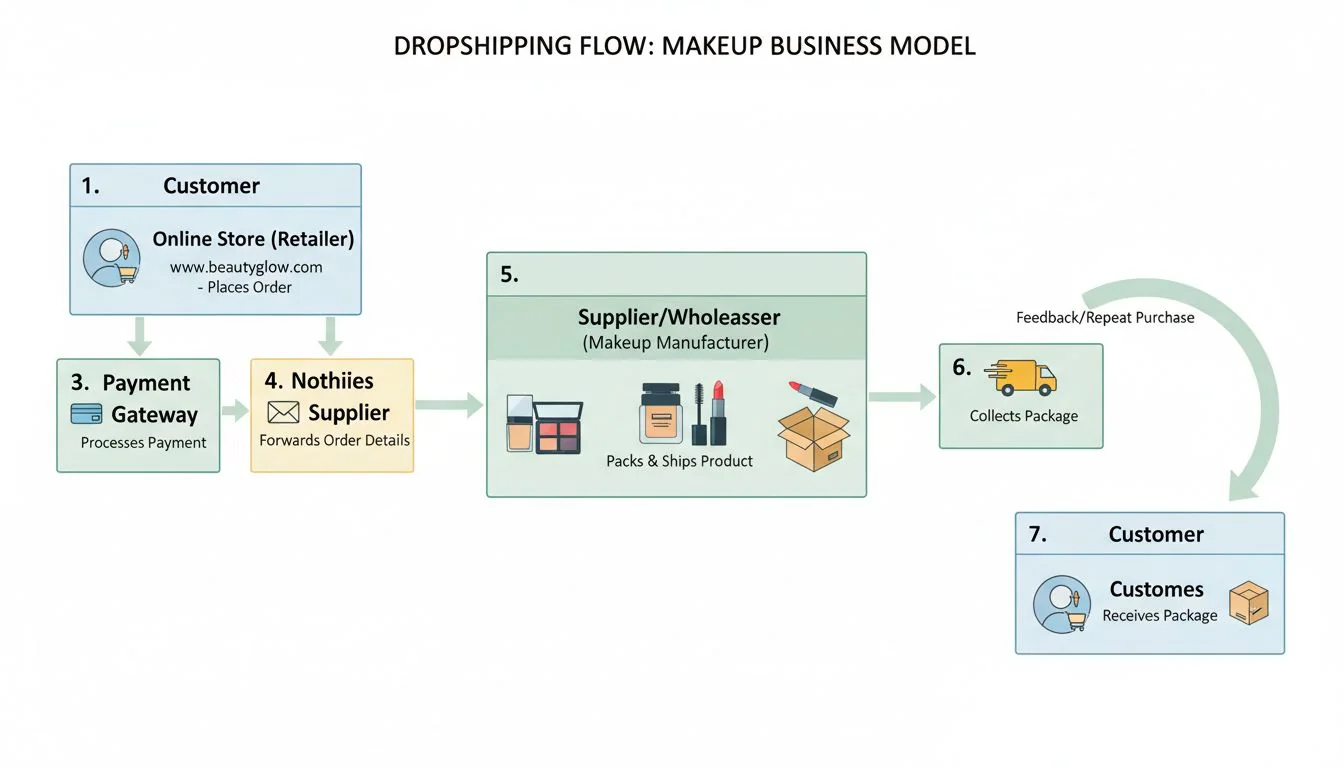
When you have no money, your biggest asset is creativity, not capital. The goal is to get a market signal—a real customer paying real money—before you commit to inventory. I’ve seen my most successful clients start this way. They don’t bet the farm on an unproven idea.
Dropshipping: Your Inventory-Free Storefront
This is the fastest way to start. You partner with a supplier who holds the inventory. When a customer buys from your Shopify store, the order goes directly to the supplier, who ships it to the customer. You never touch the product. Many suppliers even offer "white-label" or "private-label" dropshipping, where they can put your logo on the product or packaging. This lets you build a brand without buying a single unit upfront.
Pre-Orders: Get Paid to Produce
If you want more customization than dropshipping allows, pre-orders2 are your best friend. You design your product, create beautiful mockups, and sell it to customers before it’s made. The money you collect from these pre-orders is the capital you use to fund your first production run. The key here is transparency. Be very clear about the shipping window, for example, "Your order will ship in 6-8 weeks."
Service-to-Product: Fund Your Dream with Your Skills
Are you a makeup artist or esthetician? Use your service business to fund your product business. You can offer virtual shade-matching consultations or in-person MUA services. The income from these gigs can pay for your initial samples, website fees, and early marketing efforts. It also builds an audience that already trusts your expertise.
You must ship all pre-orders within 30 days of purchase.False
The FTC's Mail Order Rule requires shipping within the stated time frame. If no time is stated, it's 30 days. You can state a longer timeframe (e.g., 6-8 weeks) as long as you are transparent with the customer before they purchase.
Shopify's platform supports dropshipping through third-party app integrations.True
Shopify integrates with numerous dropshipping apps like DSers, Spocket, and Zendrop, which automate order fulfillment without the merchant holding inventory.
How Do You Source Like a Pro for Private Label or Dropshipping?
Finding a good supplier feels impossible. You worry about quality, scams, and communication. I’ll give you my factory-insider checklist for vetting partners you can trust.
Prioritize suppliers who provide full documentation (SDS, COA, INCI). Always sample first. Confirm MOQs, lead times, and customization options. For dropshipping, check their platform integrations and shipping times to your key markets.
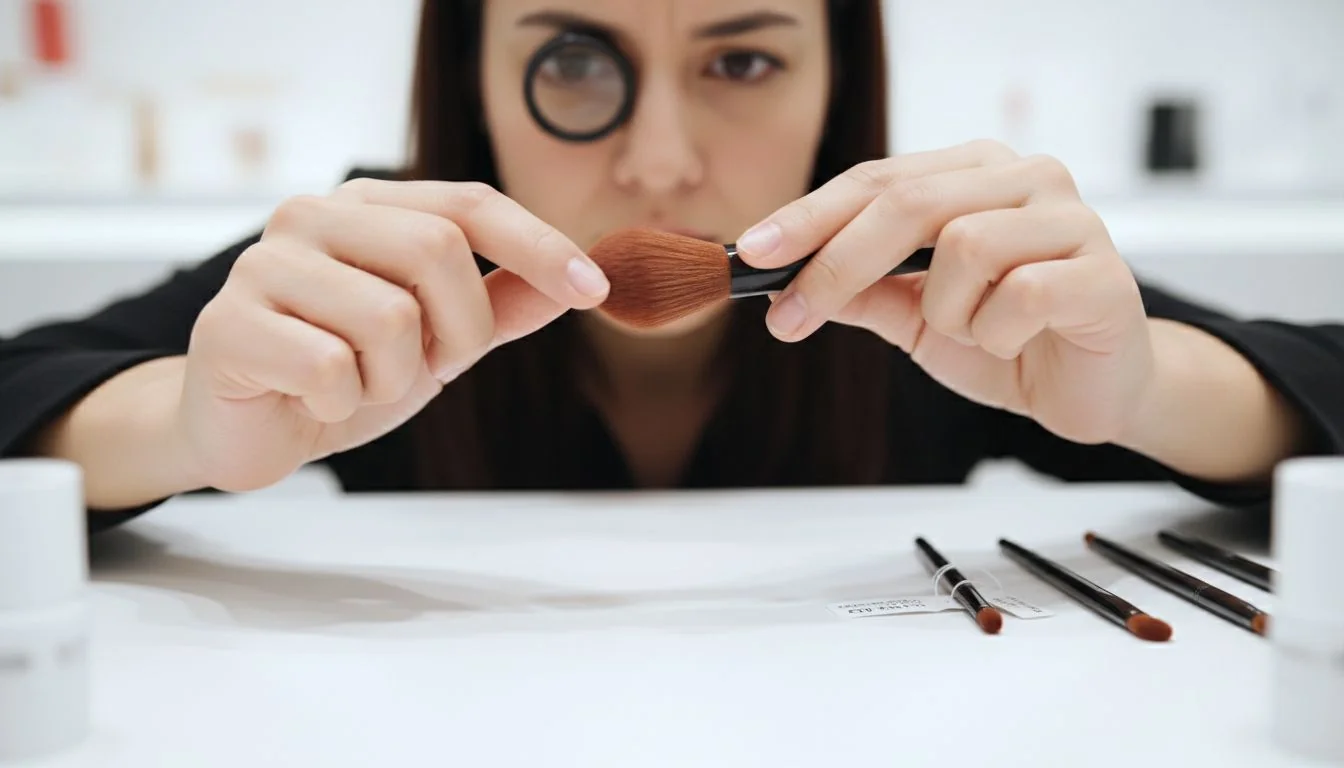
This is where so many new founders get hurt. They choose a supplier based on the lowest price and end up with poor quality, no documentation, and missed deadlines. As a factory owner, I know what a good partner should provide. Your supplier is the foundation of your business, so you must choose wisely. Don’t be afraid to ask tough questions.
The Documentation You Cannot Skip
A professional supplier will have this ready. If they hesitate or can’t provide these, it’s a major red flag. This paperwork is critical for compliance, retailer onboarding, and protecting your brand.
| Document | What It Is | Why You Need It |
|---|---|---|
| INCI List | International Nomenclature of Cosmetic Ingredients | The standardized ingredient list for your product label. |
| SDS | Safety Data Sheet | Details handling, safety, and potential hazards. Required for shipping and storage. |
| COA | Certificate of Analysis | Confirms the product batch meets its specifications. Proof of quality control. |
| Stability Data | Stability & Compatibility Test Results | Shows the product is stable in its packaging over time. |
Private Label vs. Dropship Vetting
For private label, where you’re creating a custom product, sampling is everything. Before you place a bulk order for brushes, you need to test the handle material, the ferrule crimp, and the softness and density of the hair. At Brushino, we send detailed samples so clients can approve every element.
For dropshipping, your focus is more on logistics. Vet their integration with your store (like Shopify or WooCommerce). Ask about branded packaging options. Most importantly, confirm their average shipping times to your main countries, like the US and EU. Slow shipping is a top reason for customer complaints.
INCI lists are standardized worldwide for cosmetic ingredients.True
The International Nomenclature of Cosmetic Ingredients (INCI) is a system of names for ingredients used in cosmetics that is recognized internationally, ensuring consistency on labels.
A Certificate of Analysis (COA) is only needed for skincare products.False
A COA is a quality control document relevant for any manufactured batch product, including color cosmetics and tools, to verify it meets specifications. It's a sign of a professional supplier.
What Are the Compliance Basics for Selling Makeup in the US and EU?
Regulations like MoCRA3 sound terrifying and expensive. You might want to ignore them. But non-compliance can shut down your business before it even starts. Here’s the simple version.
For the US (MoCRA), you must register your facility, list your products, and keep safety records. For the EU (1223/2009), you need a "Responsible Person" and a Product Information File (PIF) for each product.
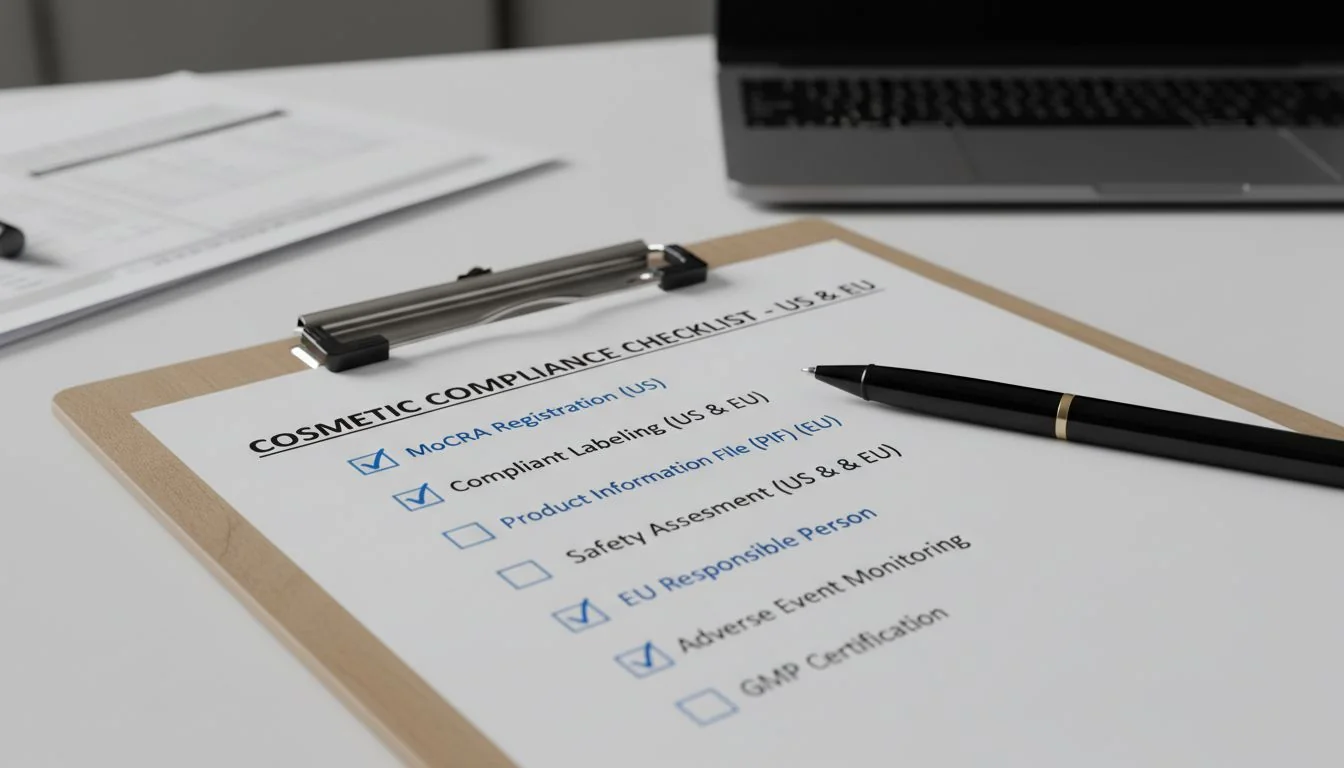
I can’t stress this enough: start with compliance in mind from day one. Building a document vault for each SKU is not optional. It’s what separates a real business from a hobby. When my clients want to sell in the US or EU, I make sure they understand that we provide the necessary manufacturing documents to help them build their compliance files.
Understanding MoCRA for the US Market
The Modernization of Cosmetics Regulation Act (MoCRA) is the biggest change to US cosmetic law in decades. For most brands, it means you need to:
- Register Your Facility: The manufacturing facility must be registered with the FDA.
- List Your Products: You must submit a list of your products and their ingredients to the FDA.
- Substantiate Safety: You must have records that prove your product is safe. This is where documents like the COA and Stability Data from your supplier are crucial.
- Report Adverse Events: You must have a system to receive and report any serious adverse health events from customers. Your label needs a US address or phone number for this.
Key Requirements for the EU Market
Selling in the EU has been strict for years. The main requirements of Regulation 1223/2009 include:
- Responsible Person (RP): You must appoint an RP in the EU who is legally responsible for the product’s compliance.
- Product Information File (PIF): For each product, you must maintain a detailed file containing the product description, safety report (CPSR), manufacturing method, and proof of claims. It must be kept for 10 years.
- Notification Portal (CPNP): The RP must notify all products through the Cosmetic Products Notification Portal before they are placed on the market.
Under MoCRA, all cosmetic brands must register their facility with the FDA, regardless of size.False
MoCRA includes exemptions for certain small businesses with average gross annual sales in the U.S. of less than $1,000,000 over the previous 3 years, but this exemption does not apply to products like those that contact the eye.
A Product Information File (PIF) for the EU must be kept for 10 years after the last batch is placed on the market.True
According to EU Regulation 1223/2009, Article 11, the PIF must be readily accessible and kept for a period of ten years following the date on which the last batch of the cosmetic product was placed on the market.
How Can You Validate Your Makeup Brand in 14 Days?
You have a great idea but don’t know if people will buy it. You’re afraid to spend months building something nobody wants. Follow this 14-day plan to get real answers.
Spend days 1-3 defining a tight niche. Days 4-7, build a waitlist using social media. Days 8-10, launch a pre-order to your waitlist. Days 11-14, analyze your sales and margins to decide your next move.
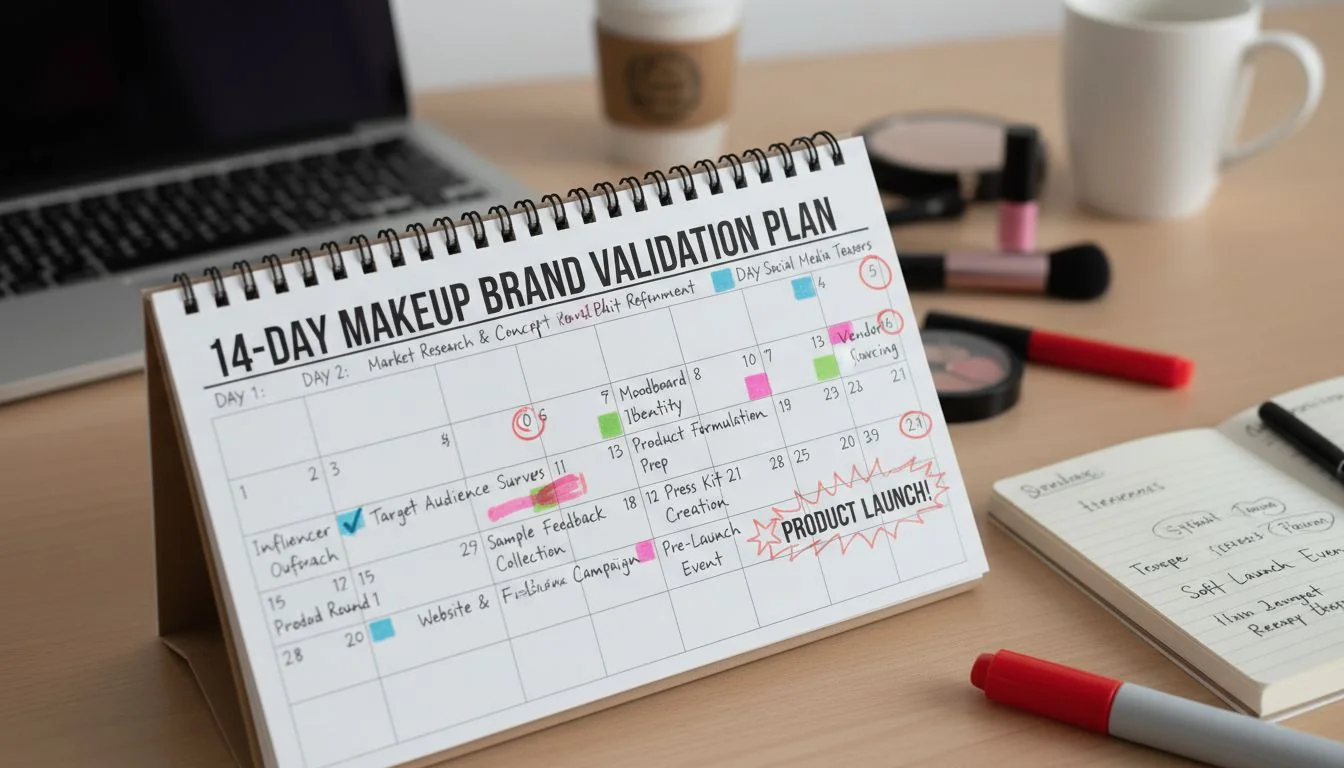
Speed is your advantage as a small brand. You can test ideas faster than anyone. I see so many founders try to be everything to everyone. The ones who succeed start incredibly specific. A client of mine started with just one type of vegan blending brush for hooded eyes. She sold out her first pre-order run because the message was so clear and targeted. This 14-day sprint forces that kind of focus.
The 14-Day Validation Sprint
| Days | Action | Goal |
|---|---|---|
| 1–3 | Define Your Niche | Get hyper-specific. Not just "vegan brushes," but "vegan brush sets for sensitive, acne-prone skin." |
| 4–7 | Build a Waitlist | Create a simple landing page. Drive traffic with TikTok/Reels showing the problem you solve. Aim for 300+ emails. |
| 8–10 | Launch Pre-Order | Email your waitlist with an early-bird offer. Be transparent about the 4-8 week delivery time. |
| 11–14 | Calculate & Analyze | Did you hit a 5-10% waitlist conversion? Calculate your real margin after platform fees and shipping costs. |
At the end of 14 days, you will have one of two things: sales and a proven concept, or data that shows your idea needs to change. Both outcomes are valuable. If the product didn’t sell, you found out without spending thousands on inventory. Now you can pivot and test a new angle. If it did sell, you have the cash and the confidence to place your first order.
A good waitlist conversion rate for a new product pre-order is around 1-2%.False
While rates vary, a healthy target for a warm waitlist is often cited as 5-15% or even higher. These are highly interested potential customers, not cold traffic. 1-2% is closer to a general e-commerce conversion rate.
Online channels for cosmetics are expanding at a CAGR of around 6.75%.True
Market data indicates the online distribution channel is a high-growth area for cosmetics, justifying an online-first launch strategy for new brands.
What Free Marketing Channels Actually Sell Makeup Products?
You have no marketing budget. You feel invisible against big brands with huge ad spends. But you can gain traction using free channels that build trust and community.
Focus on short-form video tutorials on TikTok and Instagram Reels, and encourage user-generated content (UGC). Work with micro-influencers4 for authenticity. Use social shops (Instagram, Facebook) and marketplaces like Etsy for built-in traffic.
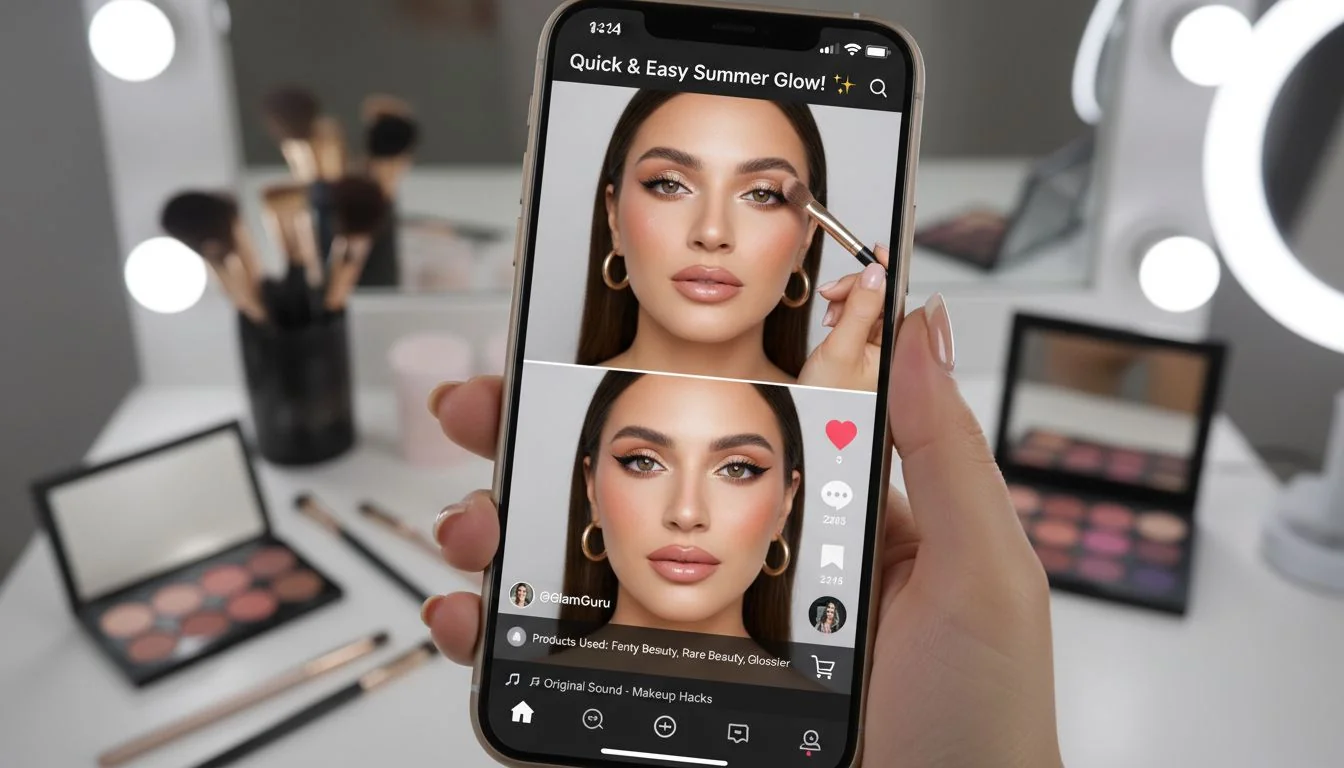
When my clients ask how to market their new brushes, I don’t say "buy ads." I say, "send a brush to 10 small creators who fit your niche and ask for an honest video review." The return on that investment is almost always better than a small ad spend. You’re not buying reach; you’re building trust.
Content That Converts: Video and UGC
Video is non-negotiable in beauty. It shows your product in action.
- Tutorials: Show how to use your product to create a specific look.
- UGC Reposts: When a customer posts about your product, share it on your own channels. This is powerful social proof.
- Micro-Influencers: Partner with creators who have 5,000-20,000 followers. Their audience is small but highly engaged and trusts their recommendations. An endorsement from them feels like a tip from a friend, not an ad.
Platforms with Built-In Traffic
Don’t just rely on your own website at first. Go where the customers already are.
- social shops5: Instagram and Facebook Shops allow customers to buy directly from the post or video where they discover your product. This reduces friction and increases conversion.
- Etsy/eBay: For unique items like custom brush sets, marketplaces like Etsy can provide your first sales. People are actively searching for these types of products, giving you free visibility.
Micro-influencers (under 100k followers) have lower engagement rates than mega-influencers.False
Studies consistently show that micro-influencers have higher engagement rates because they have a more niche, dedicated, and trusting audience that feels a personal connection.
Listing on Etsy can provide initial traffic for a new brand.True
Etsy is a marketplace with millions of active buyers searching for unique and handmade items, which can expose a new brand to a built-in audience it wouldn't otherwise have.
How Do You Calculate Unit Economics to Make a No-Money Business Work?
You’re making sales, but you’re not sure if you’re actually profitable. Hidden fees are eating your money. You need to master your numbers to survive and grow.
For dropshipping, aim for at least a 50% margin after all fees and shipping. For a private label run, target a blended margin of 60% or more to cover costs like sampling, packaging, and duties.
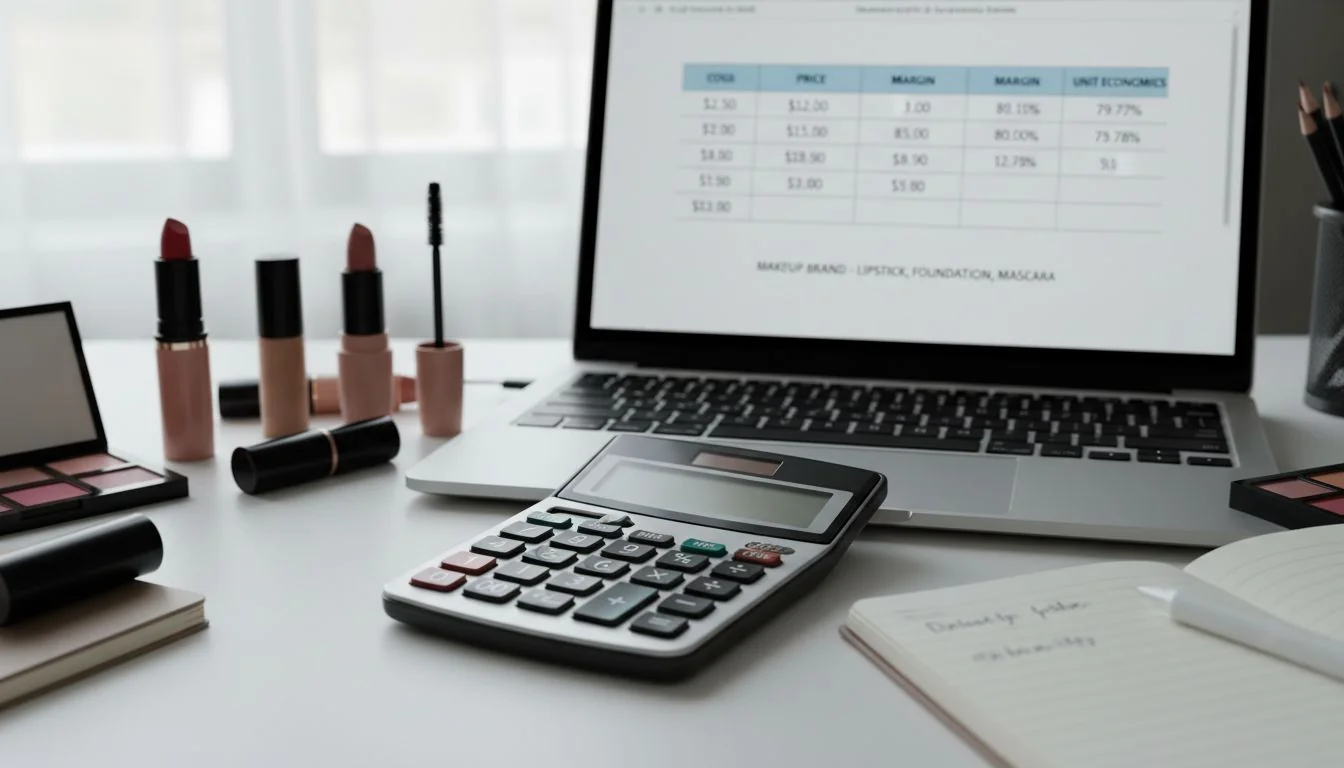
This is the most common mistake I see new founders make. They see a product costs $5 from a supplier and they sell it for $15, thinking they made $10. They forget about shipping costs, payment processing fees, platform fees, and packaging. I always tell founders to calculate their landed cost and net margin per unit. If the numbers don’t work on a spreadsheet, they will never work in real life.
The Dropshipping Margin Formula
Your goal is a net margin of at least 50%. This gives you enough room to pay for marketing and still be profitable.
- Formula:
(Retail Price - Supplier Cost - Shipping Cost - Transaction Fees) / Retail Price - Example: You sell a brush for $20. The supplier cost is $5, shipping is $4, and transaction fees are $1 (5%).
- Your profit is
$20 - $5 - $4 - $1 = $10. - Your margin is
$10 / $20 = 50%. This works.
- Your profit is
The Private Label Margin Formula
For private label, you need a higher margin (60%+) to account for the money you invested in inventory. You must calculate your total landed cost per unit.
- Landed Cost:
Unit Factory Cost + (Freight + Duties + Packaging Costs) / Total Units - Example:
- You order 500 brushes at $4 each (
$2,000). - Shipping and duties are
$500. - Custom packaging is
$500. - Total cost is
$3,000. Landed cost per brush is$3,000 / 500 = $6. - To get a 60% margin, you need to sell it for at least
$15(($15 - $6) / $15 = 60%).
- You order 500 brushes at $4 each (
A 50% gross margin is a healthy target for a dropshipping business.True
Given the lack of inventory risk and the need to cover marketing, platform fees, and returns, a 50% margin is a standard and healthy benchmark for profitability in dropshipping.
Landed cost is the same as the FOB (Free on Board) price from the factory.False
FOB price only covers the cost of the goods and getting them to the port of departure. Landed cost is the total cost to your door, including shipping, insurance, customs, duties, and taxes.
How Do You Scale Your Makeup Brand After Proving Your Concept?
Your first product is a hit, but what’s next? You’re scared of making the wrong move and losing momentum. Scaling requires a plan, not just hope.
Reinvest profits into proven winners by expanding with adjacent SKUs6 (e.g., from a popular lipstick to a matching lip liner). Automate processes like inventory sync. Upgrade your packaging to increase perceived value.
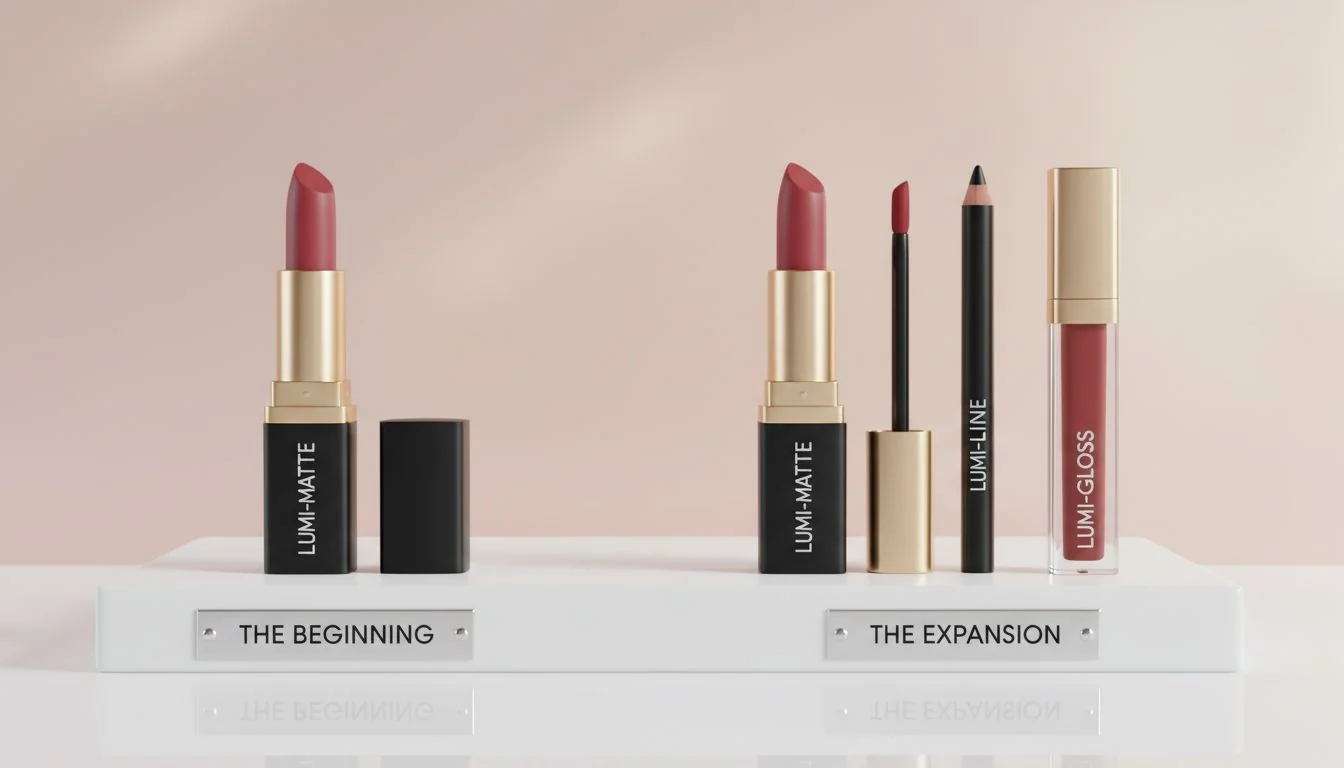
This is the most exciting stage. You have proof that people want what you’re selling. Now it’s time to build a real, long-lasting brand. This is the stage where many founders come to us at Brushino. They’ve proven their concept with dropshipping or a small test run and are now ready for a low-MOQ private label order with beautiful, custom packaging. It’s how you transition from just selling a product to building a brand experience.
Reinvest in What Works
Don’t guess what to launch next. Use your sales data.
- Expand Adjacently: If your best-selling product is a foundation brush, launch a matching concealer brush or a powder brush. If a lipstick shade is a hit, launch a matching lip liner. You’re selling more to customers who already love your brand.
- Double Down on Winners: Put your profits back into the products and marketing channels that are already working. Don’t spread yourself too thin trying ten new things at once.
Automate and Upgrade
As you grow, you need to trade your time for tools.
- Automation: Use software to automate inventory syncing, order routing, and customer service emails. This frees you up to focus on brand growth.
- Upgrade Packaging: Once you have consistent sales, move from basic mailers to custom-branded boxes. A great unboxing experience increases the perceived value of your product, reinforces your brand, and encourages customers to share on social media. It’s an investment that pays for itself.
Expanding into adjacent product categories is a low-risk growth strategy.True
This strategy, known as product line extension, leverages your existing brand equity and customer trust, making it less risky and more cost-effective than launching in a completely new market.
Custom packaging often allows a brand to charge a higher price for its products.True
High-quality, branded packaging increases a product's perceived value, enhances the customer's unboxing experience, and reinforces brand identity, which can justify a premium price point.
Conclusion
Starting a makeup brand with no money is possible. Focus on no-inventory models, validate your niche, understand compliance and your numbers, and then scale what works for you.
References
-
Explore how dropshipping can help you launch a makeup brand without upfront inventory costs. ↩
-
Learn how pre-orders can provide the capital needed to fund your first production run. ↩
-
Understand the compliance requirements under MoCRA to ensure your makeup brand operates legally. ↩
-
Discover how partnering with micro-influencers can build trust and authenticity for your brand. ↩
-
Explore how social shops can provide built-in traffic and reduce friction in the buying process. ↩
-
Discover how expanding your product line with adjacent SKUs can drive growth and customer loyalty. ↩

 English
  French
  Spanish
  Italian
  German
  Portuguese
  Russian
  Arabic
  Japanese
  Korean
  Czech
Czech  Polish
  Swedish
  Vietnamese
  Thai
Thai  Indonesian