Choosing your brush hair feels overwhelming. A wrong move can misalign with your brand values and confuse customers. I’ll help you make a choice that strengthens your brand’s integrity.
Vegan brush hair1 uses synthetic fibers like taklon or nylon, with no animal-derived materials. Choose vegan for brand ethics, global compliance, and easier cleaning. Pick advanced synthetics for liquids, creams, and modern powder blending. Verify claims with third-party logos and transparent sourcing.
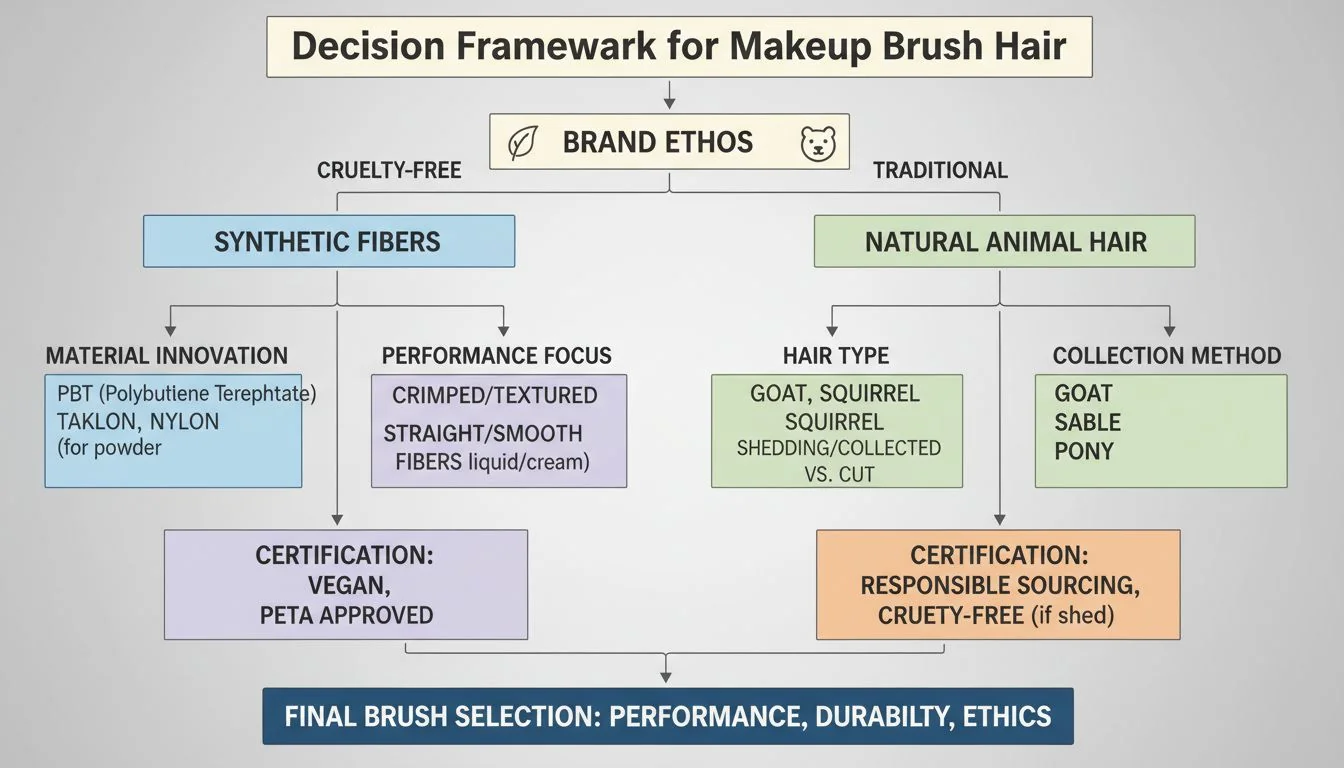
As a brand founder, every component you choose tells a story. The hair in your makeup brushes is a critical chapter. It’s not just about performance; it’s about what your brand stands for. In my years on the factory floor and working with hundreds of brands, I’ve seen this decision become more and more important. It impacts your marketing, your global reach, and your customers’ trust. Let’s break down how to align your brush hair with your brand’s core mission, ensuring every tool you sell is a true reflection of your values.
All synthetic brushes are automatically certified as 'vegan'.False
A brush is only vegan if all its components, including the glue and handle finishes, are free of animal-derived products. Certification requires a formal verification process.
The term 'cruelty-free' can apply to both natural and synthetic brushes.True
'Cruelty-free' refers to the absence of animal testing. A natural hair brush can be labeled 'cruelty-free' if no animal testing occurred, but it is not 'vegan' because it uses animal hair.
Performance parity explained: Do advanced synthetics match goat hair for powders?
You worry that choosing synthetic fibers2 means sacrificing performance, especially with powders. This fear can limit your product line and prevent you from making strong ethical claims. But technology has changed the game.
Increasingly, yes. Modern synthetic bundles with tapered and crimped filaments can mimic goat hair’s pickup and diffusion for eyeshadow and finishing powders. For liquids and creams, synthetics remain superior due to their low porosity, ensuring a smooth, non-streaky application.
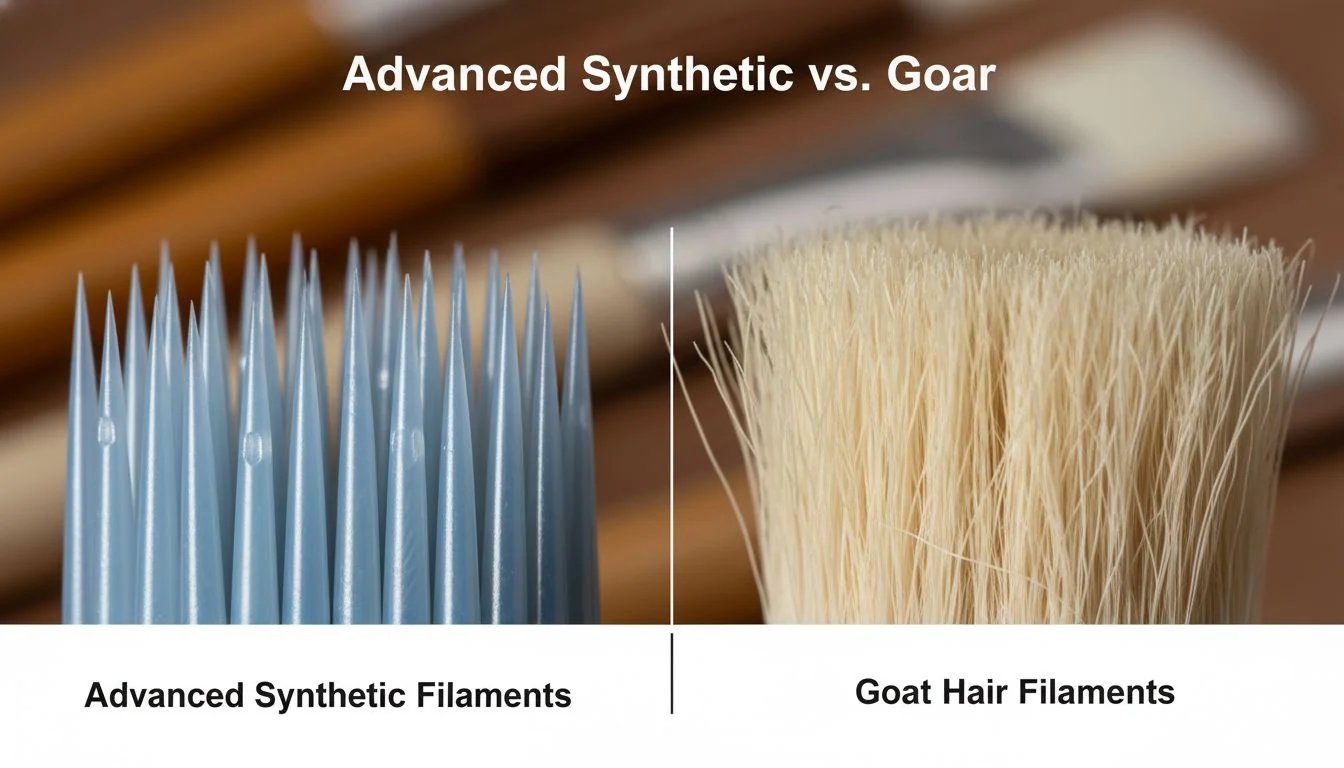
When I first started in a brush factory, the difference was clear. Natural hair, with its porous cuticle structure, was the undisputed king for picking up and blending powders. Synthetics were stiff and best for liquids. That is no longer the reality. Today’s synthetic fibers are a result of incredible engineering. We now work with filaments that are individually tapered, texturized, and crimped to create pockets that trap powder just like natural hair. This means you no longer have to compromise.
Material Performance by Application
| Application | Natural Hair (e.g., Goat) | Advanced Synthetic (e.g., Taklon) | Winner |
|---|---|---|---|
| Powder Pickup | Excellent | Very Good | Natural (by a slight margin) |
| Powder Blending | Excellent | Excellent | Tie |
| Liquid/Cream | Poor (Absorbs product) | Excellent (Minimal absorption) | Synthetic |
| Hygiene & Cleaning | Moderate (Porous) | Excellent (Non-porous) | Synthetic |
| Durability | Good (Can be brittle) | Excellent (Resilient) | Synthetic |
For your brand, this means you can build a fully vegan line that performs. You can have a fluffy powder brush with crimped fibers for beautiful diffusion and a dense foundation brush with smooth fibers for a flawless finish, all without using any animal products.
Synthetic brushes cause more skin irritation than natural hair brushes.False
High-quality, modern synthetic fibers are hypoallergenic and often softer than natural hair. Their non-porous nature also makes them more hygienic, reducing the risk of bacteria-related irritation.
The shape and density of the brush head are as important as the hair type for performance.True
A densely packed dome brush will buff product differently than a loose, tapered brush, regardless of whether the fibers are natural or synthetic. Design and material work together.
Ethos to execution: A 3-step path to vegan, cruelty-free brush lines with certification?
You want to launch a vegan and cruelty-free brush line, but the path to legitimate certification3 seems complex. Without a clear process, you risk making empty claims or facing sourcing nightmares.
Here is a simple, 3-step framework to guide you. It starts with specifying your materials, moves to gathering documentation for certification, and ends with transparently communicating your commitment to your customers. This ensures your brand’s ethos is executed flawlessly.
Turning your brand’s ethical stance into a certified product is more straightforward than you think. I’ve guided many founders like you through this process. It’s about making deliberate choices and keeping your documentation in order. This not only builds trust with your customers but also protects your brand from accusations of greenwashing. Let’s walk through the exact steps my most successful clients, like Emily, follow to bring their vision to life.
Step 1: Specify Your Materials
This is the foundation. Your tech pack for your manufacturer must be precise. Specify high-quality synthetic fibers like Taklon or other advanced nylon filaments. But don’t stop there. You must also specify that the ferrule glue is vegan (many traditional glues are animal-based) and choose sustainable handles like FSC-certified wood, bamboo, or recycled resin.
Step 2: Gather Documentation and Apply for Certification
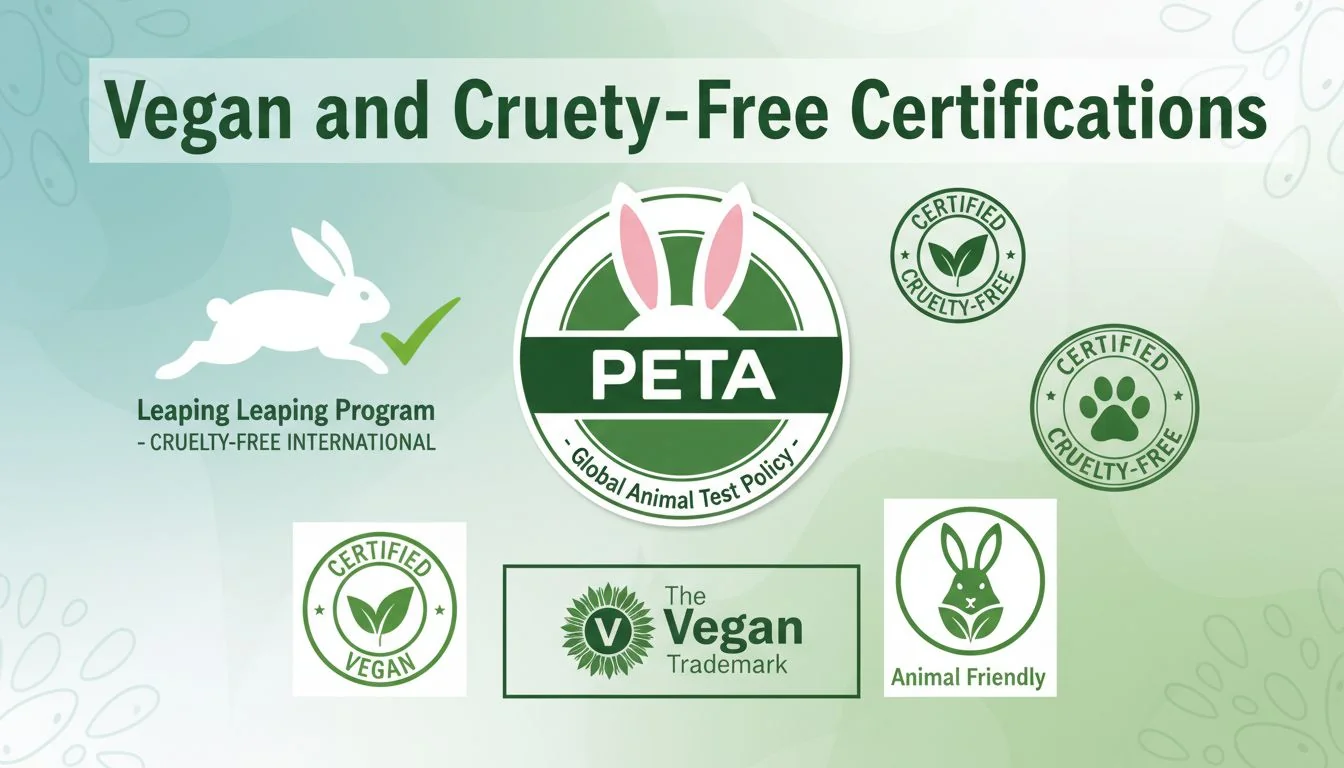
Your manufacturer must provide declarations for every component. At Brushino, we provide these documents as a standard part of our service. With this paperwork, you can apply for official certification from organizations like PETA (Beauty Without Bunnies), The Vegan Society, or Leaping Bunny. Each has its own process, but they all rely on a clear, verifiable supply chain.
Step 3: Communicate Your Commitment
Once certified, display the logos proudly on your packaging and product pages. Tell your sourcing story. Explain why you chose vegan materials. This transparency is what transforms a product feature into a powerful brand story that resonates with conscious consumers.
Leaping Bunny and PETA certifications are the same.False
Leaping Bunny has a strict focus on no animal testing throughout the entire supply chain, requiring supplier monitoring. PETA's 'Beauty Without Bunnies' program also certifies for no animal testing, and they have a separate logo for products that are both vegan and cruelty-free.
You need to certify every single component of the brush separately.True
To achieve a fully vegan certification for the final product, you must provide documentation proving that each part—the hair, glue, and even handle coatings—is free from animal-derived ingredients.
Market signals that matter: Why vegan brush SKUs de-risk EU/US sell-in?
You wonder if committing to a fully vegan line is just a niche trend. You worry it might not be worth the investment. Ignoring these market signals4 could mean getting locked out of major global markets.
Choosing vegan isn’t just an ethical choice; it’s a strategic business decision. The global vegan cosmetics market was valued at USD 19.21 billion in 2024 and is growing. Aligning with this trend de-risks your entry into key markets like the EU and US.
When I help brands plan their product lines, we don’t just talk about design. We talk about the future. The data and regulatory landscape send a clear message: the future of beauty is vegan and cruelty-free5. For a brand founder like Emily, who targets the US and EU markets, this isn’t optional information—it’s essential for long-term survival and growth. Let’s look at the hard numbers. The vegan cosmetics market is projected to hit USD 32.56 billion by 2032, growing at a steady 6.85% CAGR. Europe holds the largest share at 33.84%. If you want to sell in Europe, aligning with vegan values is critical.
Beyond consumer demand6, you have regulatory tailwinds.
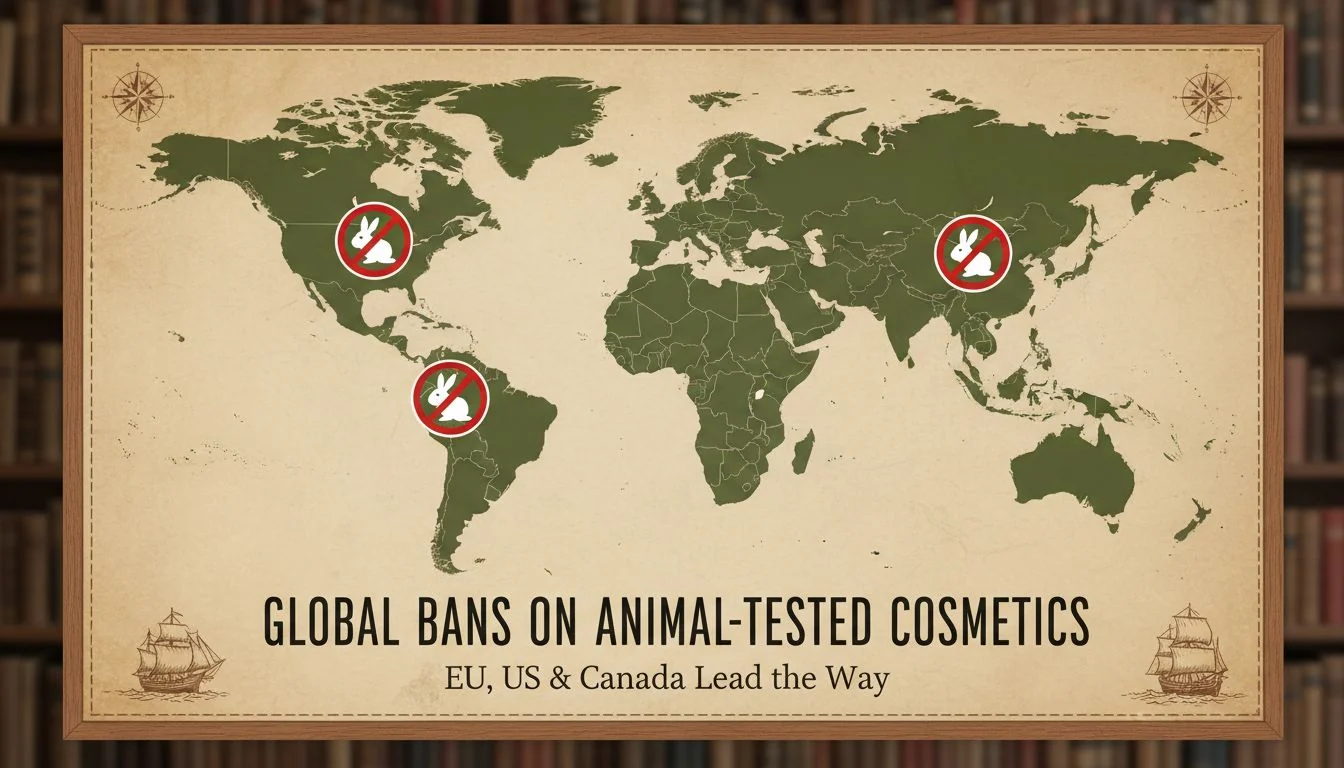
- The European Union: Has a long-standing ban on selling cosmetics that have been tested on animals.
- Canada: Banned the sale of animal-tested cosmetics in 2023.
- The United States: Multiple states, including California, New York, and most recently Washington (2024), have passed similar laws.
By standardizing on vegan brush hair, you are not just appealing to a growing consumer segment. You are future-proofing your business against evolving regulations and ensuring your products have the widest possible distribution potential. It simplifies compliance and makes your brand an easier choice for big retailers.
The demand for vegan cosmetics is shrinking in the US.False
The vegan cosmetics market is growing globally, including in the US, driven by ethical consumerism and state-level bans on animal-tested products, which boosts demand for vegan-friendly tools.
Choosing vegan materials can simplify your global logistics and compliance paperwork.True
With a single, vegan-compliant SKU, you don't need to manage different product versions for different regions, streamlining inventory and ensuring you meet the strictest market regulations worldwide.
Transparent sourcing: How to prove ethical origins and avoid greenwashing?
Making an ethical claim is easy, but you know that proving it is what matters. You’re worried that a supplier’s vague "cruelty-free" promise for natural hair could backfire and damage your brand’s reputation.
Because "cruelty-free" claims on animal hair are notoriously difficult to verify, many brands are shifting to synthetics. This move avoids sourcing risks entirely. Using synthetics and publishing your material documentation is the clearest way to prove your ethical origins and earn customer trust.
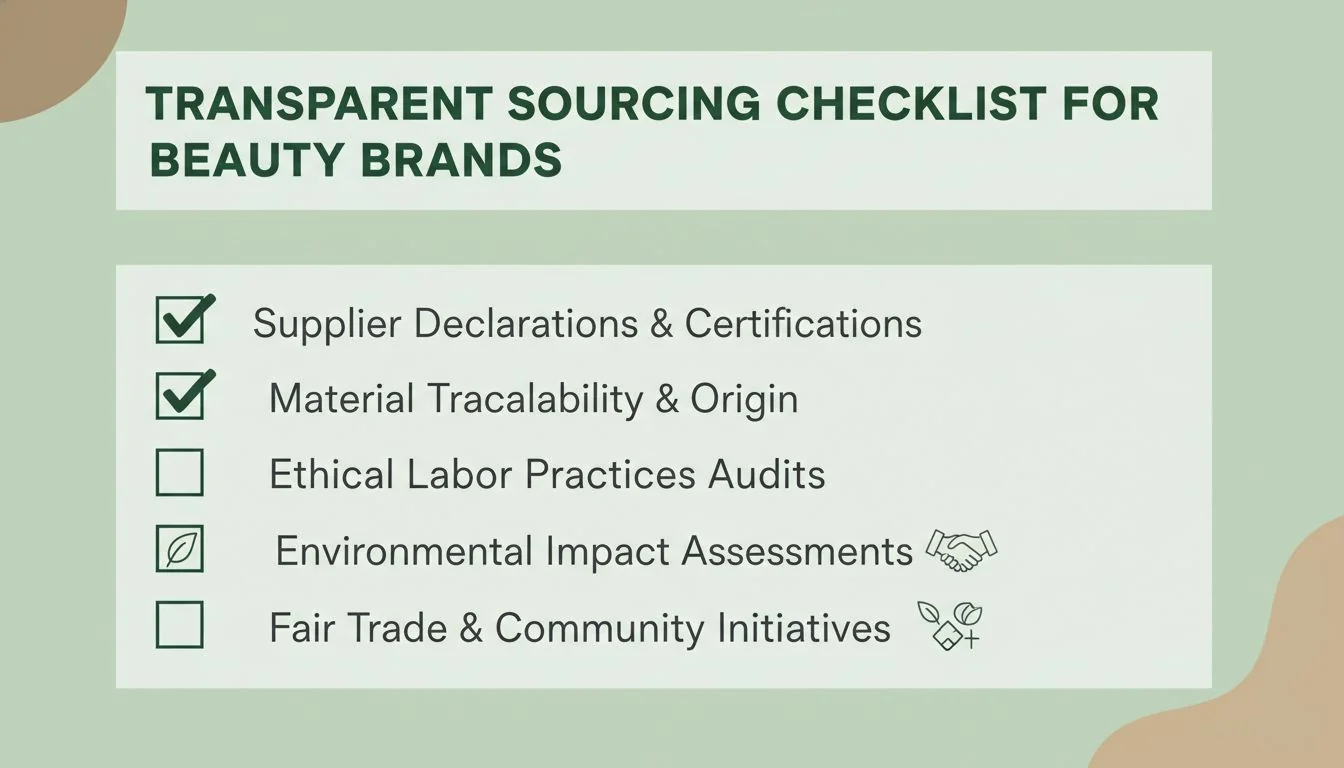
This is one of the biggest pain points I hear from founders. They receive a sample of "cruelty-free" goat hair, but the supplier can’t provide a paper trail to prove it. The truth is, the natural hair supply chain is long and complex. Even as a factory owner, auditing every single farm is nearly impossible. This is why I advise brands to be very careful. A claim without proof is a liability. To protect your brand, you need a system for transparency.
Your Sourcing & QA Checklist
When you work with a manufacturer, demand this level of clarity.
- Request Material Declarations: Ask for signed documents for every single component, confirming it is 100% free of animal products.
- Verify the Glue: Specifically ask for confirmation that the adhesive used is a synthetic, vegan-friendly formula.
- Demand Traceability: For any "eco" material like bamboo or recycled aluminum, ask for certifications like FSC or GRS.
- Standardize on Synthetics: The simplest way to eliminate risk is to build your line with high-performance synthetics. The sourcing is transparent, the quality is consistent, and the ethical claim is undeniable.
By taking these steps, you move from making a claim to proving a commitment. This is how you build a brand that customers don’t just like, but one they truly trust and respect.
The term 'shed-free' is a regulated claim for makeup brushes.False
'Shed-free' is a marketing term, not a regulated one. While high-quality brushes, both natural and synthetic, are designed to minimize shedding, no brush is 100% shed-proof over its lifetime.
Switching to synthetic fibers can improve production consistency and scalability.True
Synthetic fibers are engineered, meaning their quality, length, and texture are highly consistent from batch to batch. This is unlike natural hair, which can vary based on animal, season, and sourcing.
Conclusion
Choosing vegan synthetic fibers aligns your brand’s ethos with superior performance, growing market demand, and transparent sourcing7. This strategic decision builds trust and future-proofs your business for global success.
References
-
Explore the advantages of vegan brush hair for ethical branding and customer trust. ↩
-
Learn about the performance and ethical implications of synthetic fibers in beauty products. ↩
-
Understand the steps to achieve certification and build consumer trust in your brand. ↩
-
Analyze market trends to make informed decisions about product development. ↩
-
Clarify the meaning of cruelty-free and its importance in consumer choices. ↩
-
Explore the growing consumer interest in vegan products and its impact on the market. ↩
-
Learn best practices for sourcing materials ethically and avoiding greenwashing. ↩

 English
  French
  Spanish
  Italian
  German
  Portuguese
  Russian
  Arabic
  Japanese
  Korean
  Czech
Czech  Polish
  Swedish
  Vietnamese
  Thai
Thai  Indonesian